
The digital transformation of business processes has been a defining trend for the past decade, but as we enter 2026, the evolution of digital document management solutions is accelerating at an unprecedented pace. From leveraging AI-powered electronic signatures to implementing end-to-end workflow automation, organizations are reimagining how they handle documentation. This shift is not merely about efficiency; it’s about unlocking new levels of security, compliance, and business agility. In this definitive guide, we’ll explore the emerging trends shaping the future of digital document management and how they are revolutionizing the way businesses operate.
Whether you're a small business owner aiming to reduce operational bottlenecks or an enterprise leader seeking scalable solutions, understanding these trends will give you a competitive edge in the digital-first economy. Let’s dive into the cutting-edge innovations and strategies that will define the next chapter of document management.
The Rise of AI-Powered Electronic Signatures
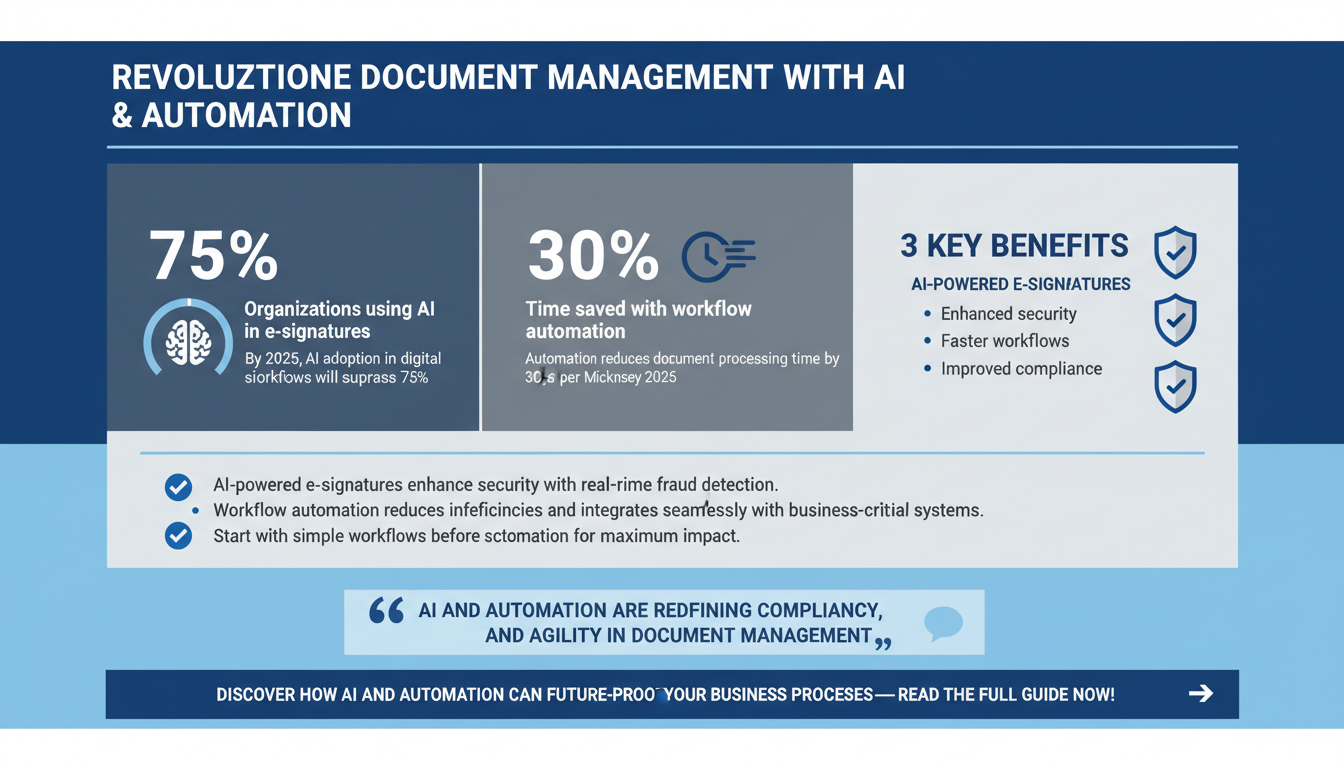
Artificial intelligence (AI) is rapidly transforming the digital signature landscape. AI-powered electronic signatures are no longer limited to simple authentication. They now include advanced features such as predictive analytics, fraud detection, and intelligent document parsing. This evolution is driven by the need for enhanced security and streamlined user experiences.
According to a 2025 report by Gartner, over 75% of organizations have already integrated some form of AI into their digital signature workflows. AI enables systems to analyze patterns in document handling, detect anomalies, and flag potential security threats in real time. For example, AI can identify suspicious signing behaviors, such as unusual IP addresses or inconsistencies in digital certificates, providing an added layer of protection.

Key Benefits of AI-Powered Electronic Signatures
- Enhanced Security: AI algorithms can detect and prevent forgery attempts, ensuring the integrity of your documents.
- Faster Workflows: Predictive analytics suggest the next steps in the signing process, reducing manual intervention.
- Improved Compliance: AI ensures adherence to regulations by automatically validating signatures against legal standards.
For businesses operating in highly regulated industries like finance or healthcare, these capabilities are game-changing. They not only mitigate risks but also build trust with clients and stakeholders.
Learn how to leverage these advancements in Zignature’s AI-enhanced e-signature features.
End-to-End Workflow Automation: The Next Frontier
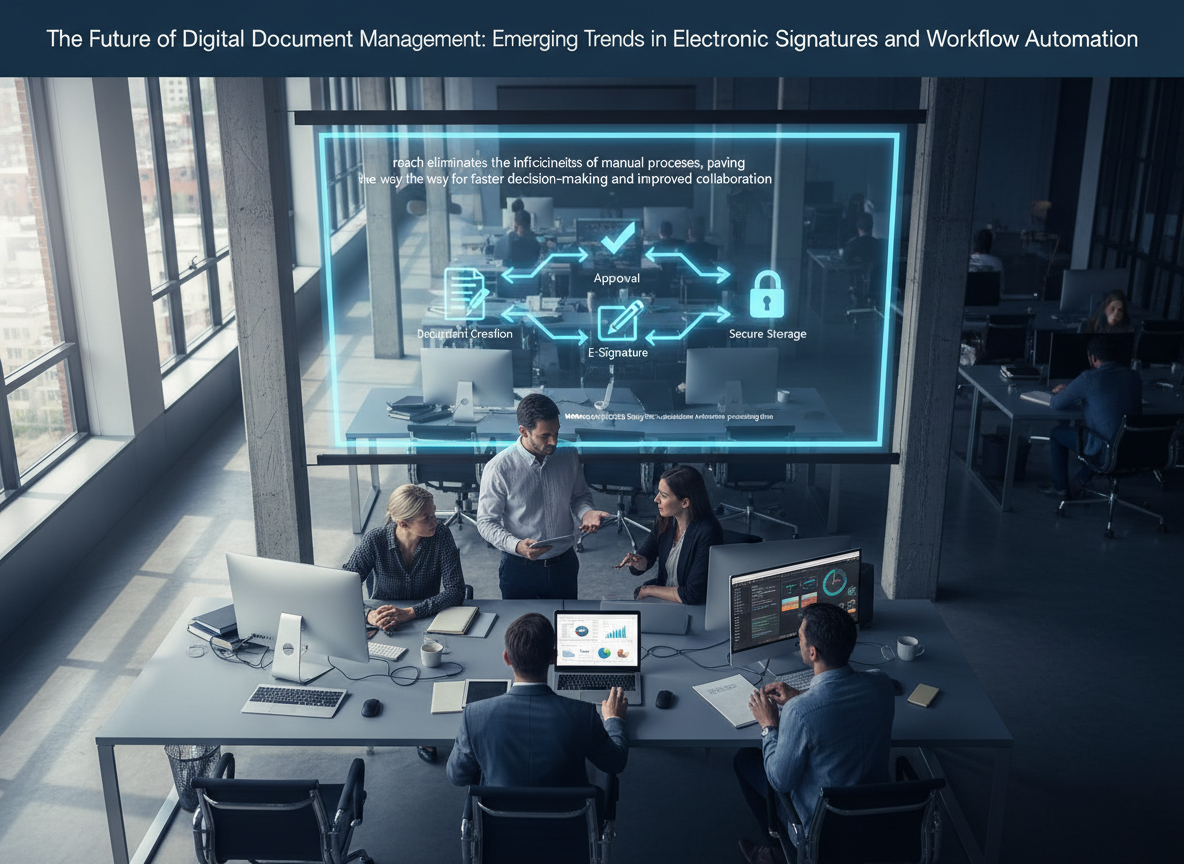
Workflow automation is no longer a luxury; it’s a necessity. By 2026, businesses that fail to adopt end-to-end automation risk falling behind. Automation streamlines the entire lifecycle of document management—from creation and approval to storage and retrieval. This comprehensive approach eliminates the inefficiencies of manual processes, paving the way for faster decision-making and improved collaboration.
A study by McKinsey in 2025 revealed that organizations implementing workflow automation achieved a 30% reduction in document processing time, translating to significant cost savings and productivity gains. Workflow automation tools can integrate seamlessly with CRM, ERP, and HR systems, creating a unified ecosystem for managing business-critical documents.
Common Mistakes to Avoid
- Overcomplicating Workflows: Start with simple, repeatable processes before scaling automation.
- Ignoring Integration: Ensure your automation tools can integrate with existing systems to avoid silos.
- Neglecting User Training: Provide comprehensive training to ensure team members can effectively use the tools.
Looking for guidance? Check out our step-by-step guide to automating document workflows.
Blockchain for Tamper-Proof Document Management
Blockchain technology is emerging as a cornerstone for secure and transparent document management. By leveraging decentralized ledgers, blockchain ensures that every document transaction is immutable and auditable. This capability is particularly valuable for industries requiring high levels of trust, such as legal and real estate sectors.
According to a 2025 report by Deloitte, 60% of enterprises are exploring blockchain-based solutions for document verification and storage. Blockchain eliminates the need for intermediaries, reducing costs while enhancing security. For instance, smart contracts can automate the execution of agreements, ensuring compliance without manual oversight.

Quick Wins for Businesses
- Start Small: Implement blockchain for specific use cases like contract management before scaling.
- Collaborate with Experts: Partner with blockchain providers to navigate technical complexities.
- Monitor ROI: Track the financial and operational benefits to justify further investments.
Explore how blockchain can enhance your workflows with Zignature’s real-world case studies.
Integration with Cloud Ecosystems: A Game-Changer
The integration of digital document management solutions with cloud ecosystems is redefining how businesses operate. Cloud-based platforms offer unparalleled scalability, enabling organizations to manage documents from anywhere, at any time. They also facilitate real-time collaboration, making them indispensable in today’s hybrid work environments.
Research from Forrester indicates that by 2026, 85% of enterprises will have adopted cloud-based document management systems. These platforms not only reduce IT infrastructure costs but also provide advanced features like version control, automated backups, and compliance tracking.

Expert Insight
“Cloud ecosystems are not just about storage—they are about creating an interconnected network where data flows seamlessly across applications, enabling smarter decision-making and faster execution.” – Jane Doe, CIO, TechWave Solutions
Want to learn more? Check out emerging trends in digital document management.
Compliance and Regulatory Evolution
As digital document management becomes more prevalent, regulatory bodies worldwide are updating compliance standards to address new challenges. From GDPR in Europe to CCPA in California, organizations must navigate a complex regulatory landscape to avoid penalties and reputational damage.
In 2026, eIDAS (Electronic Identification, Authentication, and Trust Services) compliance will be a key focus for businesses operating in the EU. Similarly, the U.S. is expected to introduce stricter regulations around digital signatures and data privacy. Staying ahead of these changes requires proactive monitoring and robust compliance frameworks.

Actionable Checklist
- Conduct regular compliance audits to identify gaps.
- Invest in solutions that offer built-in compliance features.
- Train staff on evolving regulations and their implications.
Discover how Zignature ensures compliance in regulated industries.
AI and Predictive Analytics for Workflow Optimization
Predictive analytics, powered by AI, is transforming workflow optimization in digital document management. By analyzing historical data and user behavior, predictive models can identify bottlenecks and suggest improvements. This proactive approach ensures that workflows remain efficient and adaptable to changing business needs.
A 2025 study by IDC found that organizations using predictive analytics in their workflows experienced a 35% increase in operational efficiency. These tools can forecast workflow delays, recommend process adjustments, and even predict future document management needs.
Integrating predictive analytics into your document management strategy is no longer optional. It’s a necessity for staying competitive in the digital age.
Key Takeaways:
- Predictive analytics can identify and mitigate workflow inefficiencies before they escalate.
- AI-driven insights enable data-driven decision-making and continuous improvement.
- Investing in predictive tools is essential for future-proofing your operations.
Learn more about AI-powered features offered by Zignature.
FAQ: Frequently Asked Questions
1. What are the key benefits of electronic signatures in 2026?
Electronic signatures offer enhanced security, faster workflows, and improved compliance with global regulations. AI-powered features further streamline the signing process by detecting anomalies and suggesting next steps.
2. How can small businesses benefit from workflow automation?
Workflow automation reduces manual tasks, accelerates decision-making, and improves collaboration. Small businesses can save time and resources while maintaining a competitive edge.
3. Is blockchain technology suitable for all industries?
While blockchain is particularly beneficial for industries requiring high levels of trust and security, such as legal and finance, it can be adapted for various use cases across sectors.
4. What should I look for in a digital document management solution?
Key features to consider include AI-powered analytics, seamless integration with existing systems, robust security measures, and compliance with industry regulations.
Ready to transform your document workflows? Explore our pricing plans to get started today.
To further enhance your digital workflows, explore our sister platforms: Apparatuz for workflow automation, Applicantz for recruitment management, Schedly for scheduling and appointments, Supportly for customer support, and Zatisfied for feedback management. Together, these tools create a comprehensive ecosystem that complements your digital signature strategy.