
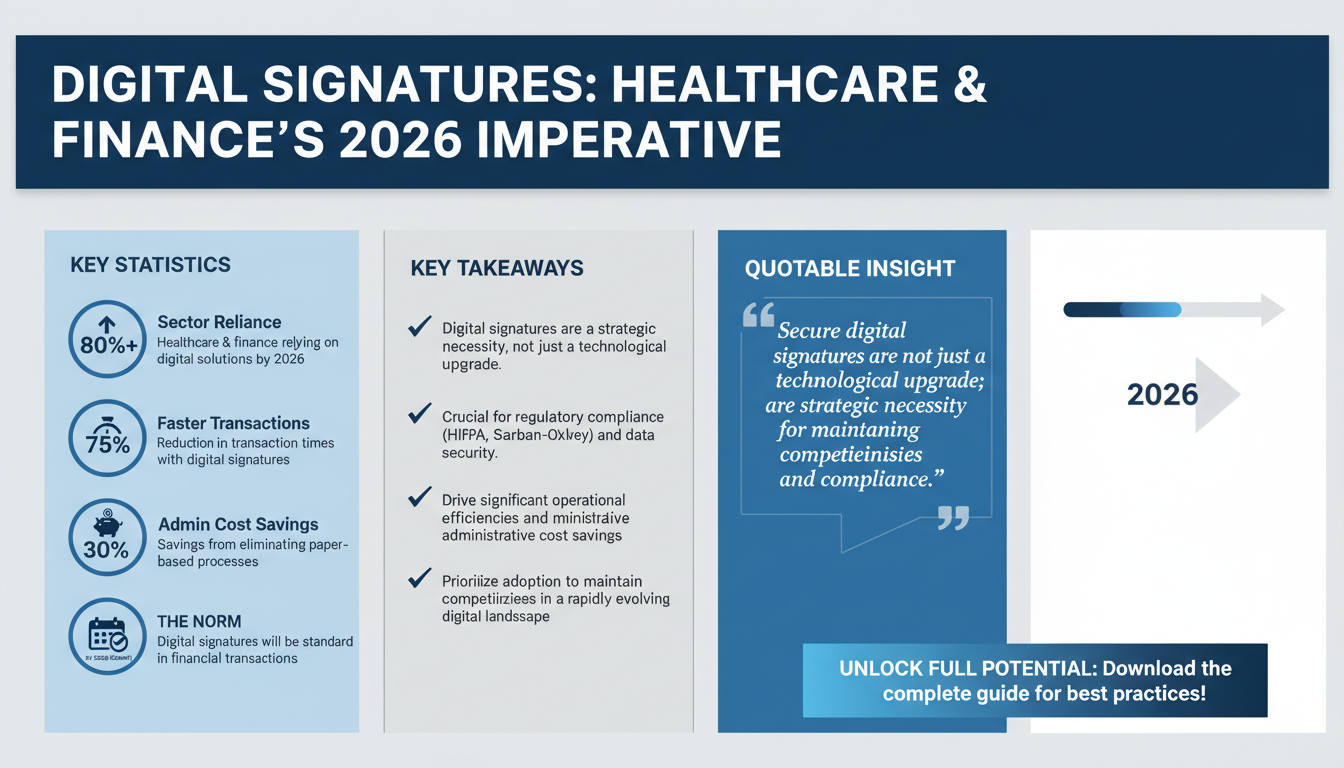
In an era where digital transformation is at the forefront of operational efficiency, industries like healthcare and finance are under increasing pressure to adopt secure digital signatures. By 2026, it is expected that over 80% of these sectors will rely heavily on digital solutions to streamline processes, enhance security, and comply with strict regulatory mandates. This guide explores the best practices for implementing secure digital signatures, tailored specifically for healthcare and finance professionals. Through detailed insights, practical tips, and case studies, we aim to equip organizations with the knowledge necessary to effectively leverage digital signatures in their operations.
Understanding the Importance of Secure Digital Signatures
Secure digital signatures have become a cornerstone of modern business operations, particularly in highly regulated sectors like healthcare and finance. These signatures provide a legally binding way to authenticate documents, ensuring that the identity of the signer is verified and the integrity of the document is maintained. According to a Forrester report, the adoption of digital signatures can reduce transaction times by up to 75%, a significant efficiency gain for any organization.

Moreover, digital signatures offer enhanced security features such as encryption and audit trails, which are critical for compliance with regulations like the Health Insurance Portability and Accountability Act (HIPAA) and the Sarbanes-Oxley Act. These security measures protect sensitive data from unauthorized access and ensure that only authorized individuals can sign or alter documents. The ability to trace and audit digital signatures provides an additional layer of security that traditional paper-based signatures cannot offer.
In the context of healthcare, digital signatures facilitate the secure exchange of patient information, thereby improving care coordination and reducing administrative burdens. For instance, a hospital can streamline the process of obtaining patient consent, making the handling of sensitive information more efficient and compliant. In finance, digital signatures streamline operations by enabling faster processing of contracts, loan agreements, and other financial instruments. Gartner's 2026 report predicts that digital signatures will become the norm in financial transactions, driving efficiency and compliance.
Organizations that have implemented secure digital signatures report not only operational efficiencies but also significant cost savings. A study by McKinsey found that companies can save up to 30% on administrative costs by eliminating paper-based processes. This saving is achieved through reduced expenditures on paper, ink, and mailing, as well as decreased time spent managing physical documents.
Key Takeaway: Secure digital signatures are not just a technological upgrade; they are a strategic necessity for maintaining competitiveness and compliance in healthcare and finance. Organizations must prioritize their adoption to stay ahead in a rapidly evolving digital landscape.
Regulatory Compliance and Digital Signatures
Compliance with industry-specific regulations is a critical consideration when implementing digital signatures. In healthcare, HIPAA mandates the protection of patient information, requiring robust authentication measures. In finance, the Sarbanes-Oxley Act demands accountability and traceability in financial reporting. Digital signatures can help organizations meet these requirements by providing a secure and verifiable method for signing documents.

The European Union's eIDAS regulation also sets a high standard for electronic identification and trust services, which is applicable to both healthcare and finance sectors operating within or with EU entities. This regulation ensures that electronic transactions are secure and legally equivalent to their paper counterparts. By adhering to these standards, organizations can confidently engage in cross-border transactions and collaborations.
Moreover, the Electronic Signatures in Global and National Commerce Act (ESIGN) in the United States establishes the legal framework for digital signatures, ensuring that they are recognized as valid and enforceable. This act eliminates the need for a paper trail in legal proceedings, providing a streamlined process for verifying document authenticity.
Organizations must ensure that their digital signature solutions are compliant with these regulations. This involves choosing a provider that offers advanced encryption standards, multi-factor authentication, and an audit trail to track document access and modifications. Regular compliance audits and updates to security protocols are also necessary to maintain adherence to evolving standards.
Key Takeaway: Regulatory compliance is paramount. Ensure that your digital signature solution is certified and complies with industry standards to avoid legal pitfalls. Staying informed about regulatory changes and proactively adapting to them is essential for long-term success.
Integrating Digital Signatures into Healthcare Operations
Healthcare organizations face unique challenges when integrating digital signatures into their operations. The need to maintain patient confidentiality, streamline administrative tasks, and comply with stringent regulations makes digital signatures an invaluable tool. The integration of digital signatures into healthcare workflows can significantly enhance operational efficiency and patient satisfaction.

One effective approach is to incorporate digital signatures into existing electronic health record (EHR) systems. This integration allows healthcare providers to securely sign and share patient records, prescriptions, and consent forms, thereby enhancing workflow efficiency and reducing the risk of errors. By automating document handling, healthcare professionals can focus more on patient care rather than administrative tasks.
Additionally, digital signatures can be used to improve patient engagement by enabling remote signing of documents. Patients can review and sign necessary forms from the comfort of their homes, reducing the need for in-person visits and expediting care delivery. This convenience can lead to higher patient compliance with treatment plans and improved health outcomes.
The use of digital signatures in telemedicine is another burgeoning area. With the rise of virtual consultations, digital signatures ensure that all patient interactions and prescriptions are securely documented and legally binding. This not only enhances the credibility of telehealth services but also ensures that patient data is protected across digital platforms.
Key Takeaway: Integrating digital signatures into healthcare systems can significantly enhance patient care and operational efficiency. Choose solutions that seamlessly integrate with your existing platforms for maximum benefit, and consider involving stakeholders from different departments to ensure a holistic implementation.
Implementing Digital Signatures in Finance
The finance industry has been at the forefront of adopting digital signatures due to the need for speed and security in transactions. Implementing digital signatures in finance involves several key considerations, including ensuring data integrity, compliance, and seamless integration with existing financial systems.

Financial institutions can leverage digital signatures to streamline processes such as loan approvals, account openings, and investment agreements. This not only accelerates transaction times but also enhances customer experience by reducing the need for physical paperwork. Clients can sign documents from anywhere in the world, speeding up the time it takes to finalize agreements and access services.
Moreover, digital signatures provide a robust audit trail, ensuring transparency and accountability in financial transactions. This is particularly important for regulatory compliance and risk management. Auditors and regulators can easily trace document histories, making compliance checks more efficient and less intrusive.
Integration with existing financial systems is crucial for a smooth transition. Financial institutions should choose digital signature solutions that offer APIs and other integration tools to ensure compatibility with their current software and workflows. Training staff on the use of digital signatures is also essential to maximize the benefits and ensure adherence to new processes.
Key Takeaway: Digital signatures are essential for enhancing efficiency and security in finance. Focus on solutions that offer seamless integration and compliance with financial regulations. Anticipate the need for ongoing training and support to maintain a high standard of execution.
Security Considerations for Digital Signatures
While digital signatures offer numerous benefits, it is crucial to address security considerations to protect against potential threats. The integrity of a digital signature relies on the strength of its encryption and the security of the systems that support it. As cyber threats evolve, so too must the security measures that guard against them.
Organizations must implement multi-factor authentication to ensure that only authorized users can access and sign documents. This adds an additional layer of security by requiring users to verify their identity through multiple means, such as a password and a biometric scan. Such measures significantly reduce the risk of unauthorized access and fraud.
Additionally, it is important to regularly update and patch digital signature software to protect against vulnerabilities. Conducting regular security audits and penetration testing can help identify and mitigate potential risks. An incident response plan should also be in place to quickly address any breaches or security incidents.
Choosing a digital signature provider with a strong track record of security is essential. Look for providers that offer end-to-end encryption and comply with industry security standards, such as ISO 27001. Transparency in how data is handled and stored is also crucial for building trust with clients and stakeholders.
Key Takeaway: Prioritize security in your digital signature implementation. Use multi-factor authentication and choose providers with robust security measures. Regularly review and update your security protocols to stay ahead of potential threats.
Cost-Benefit Analysis of Digital Signatures
Implementing digital signatures can lead to significant cost savings and operational efficiencies. A thorough cost-benefit analysis can help organizations understand the potential return on investment and make informed decisions. Beyond the immediate financial savings, digital signatures offer several long-term advantages that can enhance an organization’s competitive position.
According to IDC research, companies that adopt digital signatures can reduce their document handling costs by 25-30%. This is achieved through the elimination of paper, printing, and mailing expenses, as well as reduced labor costs associated with manual document processing. The reduction in physical storage needs also contributes to significant savings.
Moreover, digital signatures can accelerate business processes by reducing transaction times. This leads to faster deal closures and improved cash flow, which are critical for maintaining competitiveness in fast-paced industries like healthcare and finance. The ability to quickly finalize contracts and agreements can give businesses a crucial edge in negotiations and market positioning.
It is also important to consider the intangible benefits, such as improved customer satisfaction and enhanced brand reputation, which can result from the streamlined and secure processes enabled by digital signatures. Customers increasingly value businesses that prioritize efficiency and security, often leading to increased loyalty and repeat business.
Key Takeaway: Conduct a comprehensive cost-benefit analysis to understand the financial and operational advantages of digital signatures. Consider both tangible and intangible benefits in your assessment to fully appreciate the potential impact on your organization.
Choosing the Right Digital Signature Provider
Selecting the right digital signature provider is a critical decision that can impact the success of your implementation. It is important to evaluate providers based on their security features, compliance capabilities, and integration options. The right provider will offer a balance of robust security and ease of integration, ensuring a smooth transition and ongoing support.
Providers should offer advanced security measures, such as end-to-end encryption and multi-factor authentication, to protect sensitive data and ensure document integrity. Compliance with industry standards and regulations, such as HIPAA and eIDAS, is also essential. Providers that demonstrate a commitment to maintaining up-to-date security protocols and compliance certifications are ideal partners.
Integration capabilities are another important consideration. Choose a provider that offers APIs and other tools to facilitate seamless integration with your existing systems and workflows. A solution that easily integrates with your current software can minimize disruptions and maximize efficiency gains.
Additionally, consider the user experience and customer support offered by the provider. A user-friendly interface and responsive support team can make the implementation process smoother and more successful. Providers who offer comprehensive training and support can help ensure that your team is fully equipped to use the new system effectively.
Key Takeaway: Choose a digital signature provider that offers robust security, compliance, and integration capabilities. Prioritize user experience and support to ensure a successful implementation. A provider’s reputation and client testimonials can provide valuable insights into their reliability and service quality.
Case Study: Successful Implementation of Digital Signatures
A leading healthcare organization recently implemented digital signatures to enhance its document management processes. By integrating digital signatures with its EHR system, the organization was able to streamline the signing of patient consent forms and other critical documents.
The implementation resulted in a 50% reduction in processing times and a 30% decrease in administrative costs. The organization also reported improved patient satisfaction, as patients appreciated the convenience of remote document signing. This not only improved operational efficiency but also enhanced the overall patient experience.
Additionally, the organization achieved compliance with HIPAA regulations by ensuring that all patient information was securely signed and stored. This enhanced the organization's reputation for data security and patient privacy, attracting more patients and partnerships.
This case study demonstrates the potential benefits of digital signatures for healthcare organizations and highlights the importance of choosing the right provider and integration strategy. The success of this implementation serves as a model for other healthcare entities looking to modernize their document management processes.
Key Takeaway: Real-world case studies illustrate the tangible benefits of digital signatures. Learn from successful implementations to optimize your own strategy. Engage with industry peers to share insights and best practices for implementing digital signatures effectively.
Frequently Asked Questions
What are the legal implications of using digital signatures?
Digital signatures are legally binding and recognized as valid under laws such as the ESIGN Act in the United States and eIDAS in the European Union. They provide a secure and verifiable way to sign documents electronically, ensuring legal compliance and enforceability. Understanding the specific legal requirements in your jurisdiction is crucial for ensuring that your digital signature implementation is compliant.
How do digital signatures enhance security?
Digital signatures enhance security by using encryption and authentication technologies to verify the identity of the signer and the integrity of the document. Features like audit trails and multi-factor authentication further protect against unauthorized access and tampering. These security measures provide peace of mind to organizations and their clients, safeguarding sensitive information from cyber threats.
Can digital signatures be used in all types of financial transactions?
Yes, digital signatures can be used in a wide range of financial transactions, from loan agreements to investment contracts. They streamline processes and provide a secure, legally binding means of signing documents, enhancing efficiency and compliance. Financial institutions benefit from faster transaction processing and reduced risk of fraud, making digital signatures an invaluable tool in modern finance.
What should I look for in a digital signature provider?
When choosing a digital signature provider, consider factors such as security features, compliance with industry regulations, integration capabilities, and user experience. Choose a provider that offers robust security measures, compliance certifications, and seamless integration tools. Evaluate potential providers based on their track record, client reviews, and the level of support they offer throughout the implementation process.
Are digital signatures suitable for small businesses?
Absolutely. Digital signatures offer significant benefits for small businesses, including cost savings, improved efficiency, and enhanced security. They enable small businesses to compete on a level playing field with larger organizations by streamlining document management processes. By adopting digital signatures, small businesses can respond more quickly to customer needs and reduce overhead costs associated with physical document handling.
Conclusion: Implementing Digital Signatures for a Competitive Edge
As we approach 2026, the implementation of secure digital signatures in healthcare and finance is not just a technological upgrade; it is a strategic imperative. By enhancing security, ensuring compliance, and streamlining operations, digital signatures offer a competitive edge to organizations willing to embrace them. The transition to digital signatures represents an opportunity for businesses to future-proof their operations against the challenges of an increasingly digital world.
The key to success lies in choosing the right provider, integrating digital signatures seamlessly into existing systems, and ensuring compliance with industry regulations. By doing so, organizations can realize significant cost savings, improve customer satisfaction, and enhance their operational efficiency. Strategic planning and ongoing evaluation are critical to optimizing the benefits of digital signatures over the long term.
As you embark on this journey, consider complementing your efforts with tools like Apparatuz, which specializes in workflow automation, or Applicantz for recruitment solutions. These tools, alongside digital signatures, create a comprehensive solution for your business needs. By integrating these technologies, organizations can build a cohesive and efficient digital ecosystem.
Ultimately, the adoption of digital signatures is a step toward a more secure, efficient, and compliant future. By leveraging the strategies and insights outlined in this guide, healthcare and finance organizations can position themselves for success in 2026 and beyond. Embrace digital transformation today to secure your organization's place in the digital economy of tomorrow.