
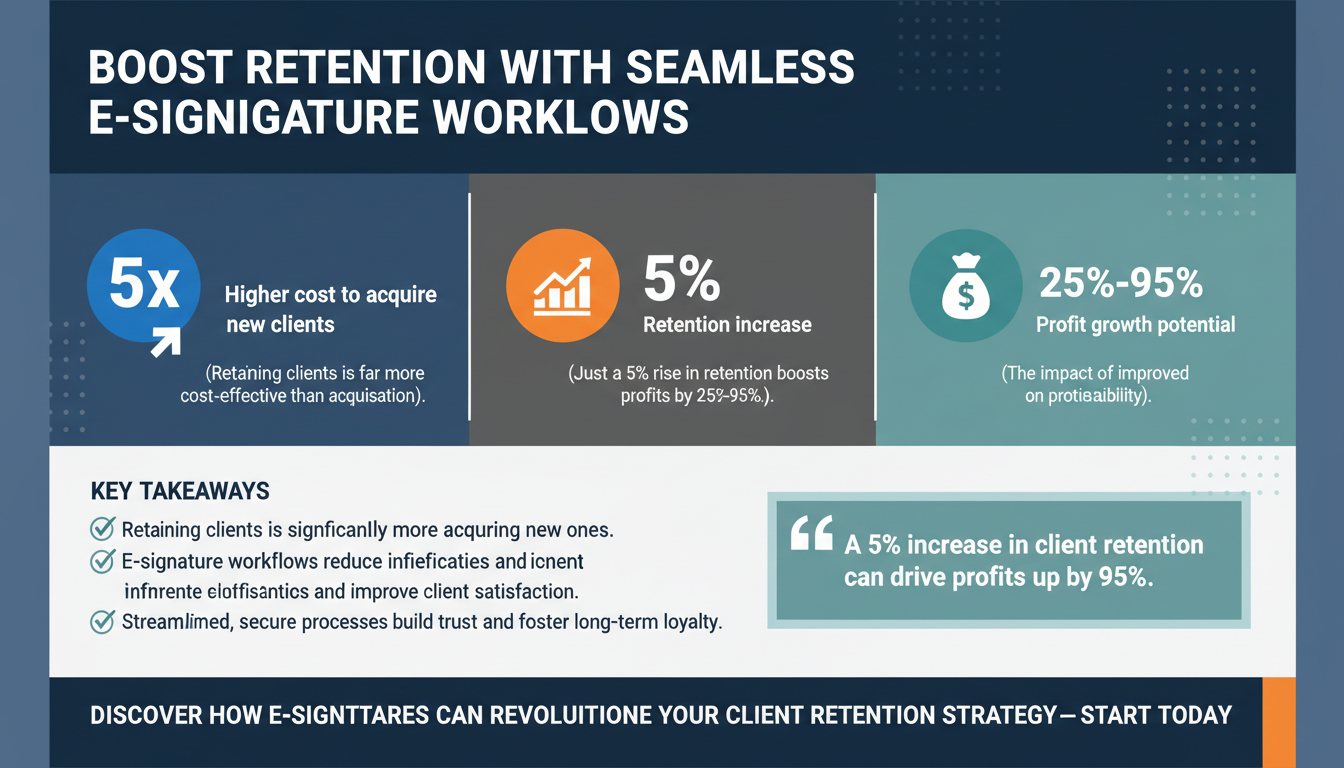
Client retention is the cornerstone of business success, particularly in industries that rely heavily on trust, efficiency, and long-term relationships, such as legal, real estate, finance, and healthcare. While much attention is often given to acquiring new clients, studies consistently show that retaining existing clients is far more cost-effective. For example, research by Bain & Company highlights that acquiring a new customer can cost up to five times more than retaining an existing one. Furthermore, increasing client retention by just 5% can boost profitability by 25% to 95%, depending on your industry. These compelling statistics demonstrate why client retention should be a top priority for any organization.
In today’s digital-first economy, clients expect streamlined, user-friendly experiences. Any friction in your processes—whether caused by inefficient workflows, security concerns, or outdated methods—can lead to dissatisfaction and, ultimately, client churn. This is where secure and seamless e-signature workflows come in. These digital tools not only improve operational efficiency but also enhance client trust and satisfaction, ensuring they remain loyal to your business.
In this guide, we’ll explore how e-signature workflows can significantly enhance client retention. You’ll discover actionable strategies, expert-backed insights, and real-world examples that highlight the transformative power of these tools. By the end, you’ll have a comprehensive understanding of how to leverage e-signatures to create a frictionless, secure, and client-centric experience that boosts loyalty and reduces churn.
Understanding the Importance of Client Retention
Before diving into how e-signature workflows can improve client retention, it’s crucial to understand why retention matters so much. Retention isn’t just about keeping your current clients happy—it’s about maximizing the lifetime value (LTV) of each customer relationship. LTV is a critical metric that measures the total revenue a business can expect from a client over the duration of their relationship. Higher retention rates directly correlate with higher LTV, translating to greater profitability.

According to a report by Harvard Business Review, increasing retention rates by 5% can lead to profit increases ranging from 25% to 95%. Beyond financial benefits, strong retention fosters brand loyalty, turning satisfied clients into advocates who promote your business through word-of-mouth and referrals. This is especially valuable in competitive industries, where a single positive recommendation can lead to multiple new clients.
However, retaining clients in today’s fast-paced digital world presents unique challenges. Clients now expect quick, seamless, and personalized experiences. Friction points like lengthy paperwork, inefficient processes, or concerns about data security can drive clients to seek alternative providers. This is where e-signature workflows become an invaluable asset. By offering a secure, streamlined way to handle important documents, these tools address the very issues that often lead to client dissatisfaction.
Key Challenges in Client Retention
Despite its importance, many businesses struggle with client retention due to several common challenges:
- Friction in Processes: Clients are often frustrated by slow, manual workflows that require printing, scanning, and mailing documents. These inefficiencies not only waste time but also create a negative impression of your business.
- Security Concerns: In an era of increasing cyber threats, clients are understandably cautious about sharing sensitive information. Businesses that fail to prioritize security risk losing client trust.
- Lack of Personalization: Generic, one-size-fits-all approaches fail to meet the specific needs and expectations of clients, leading to dissatisfaction and higher churn rates.
Fortunately, secure e-signature workflows can address all these challenges, making them a powerful tool for improving client retention.
Why Retention Outweighs Acquisition
Another key reason to focus on retention over acquisition is the cost and effort involved. While marketing campaigns and sales efforts to attract new clients can be resource-intensive, retaining existing clients often requires smaller, more deliberate investments in improving customer experience, streamlining operations, and offering personalized services. For example, the cost of running an email campaign to keep clients engaged is significantly lower than funding a large-scale advertising campaign to attract new leads.
Additionally, retained clients tend to spend more over time. Research from Adobe shows that returning customers spend an average of 67% more than new customers. This means that a loyal customer base not only provides consistent revenue but also represents a growing portion of your income as their trust in your business increases.
The Role of E-Signature Workflows in Enhancing Client Retention
E-signature workflows are much more than a digital alternative to traditional signatures. They represent a fundamental shift in how businesses interact with their clients, offering a faster, more secure, and more convenient way to handle essential processes. By integrating e-signature solutions into your operations, you can not only streamline document management but also foster stronger client relationships.

1. Reducing Friction in Client Interactions
Consider the frustration a client experiences when asked to print, sign, scan, and send back a document. This outdated process is not only time-consuming but also prone to errors and delays. E-signature workflows eliminate these pain points by enabling clients to sign documents digitally from any device, anywhere in the world. The convenience and efficiency of this process leave a positive impression, increasing the likelihood that clients will stay loyal to your business.
For example, a 2022 study by Gartner revealed that companies using e-signature platforms experienced a 40% reduction in document turnaround times. Faster processes not only enhance operational efficiency but also improve client satisfaction, a key driver of retention.
Pro Tip: Use automation to send documents with pre-filled information, reducing the time clients need to complete forms. This small improvement can significantly enhance their experience.
2. Building Trust Through Security
Security is a top concern for clients, especially when dealing with sensitive information such as contracts, financial data, or medical records. Modern e-signature solutions address these concerns by incorporating advanced security features like encryption, multi-factor authentication, and tamper-proof audit trails. These measures ensure that documents are secure and legally binding, giving clients peace of mind.
A study by McKinsey found that 80% of clients are more likely to remain loyal to a business that demonstrates strong cybersecurity practices. By adopting secure e-signature workflows, you can meet this expectation and build long-term trust with your clients.
Expert Insight: Highlight your security measures in client communications. For instance, include information about encryption protocols and compliance certifications in your onboarding materials to reassure clients.
3. Enhancing the Overall Client Experience
Client experience is a major factor in retention, and e-signature workflows contribute significantly to creating a positive experience. Features like mobile compatibility, user-friendly interfaces, and automated reminders make the process seamless and hassle-free for clients. These small but impactful improvements can make a big difference in how clients perceive your business.
For instance, a real estate firm that implemented mobile-friendly e-signature workflows found that 85% of clients completed their documents within the first 24 hours. This not only sped up transactions but also left clients impressed with the firm’s efficiency and professionalism.
Comparison Table: Traditional vs. E-Signature Workflows
| Aspect | Traditional Workflows | E-Signature Workflows |
|---|---|---|
| Turnaround Time | 2-5 days | Less than 24 hours |
| Security | Risk of document tampering | Encrypted and tamper-proof |
| Client Convenience | Requires printing and scanning | Accessible via any device |
| Cost Efficiency | High due to paper and mailing costs | Low operational costs |
Creating Seamless and Secure E-Signature Workflows: A Proprietary Framework
To maximize the benefits of e-signature workflows, businesses need a structured approach. This is where the "SEAL Framework" comes in—a four-step method designed to create secure, efficient, and client-focused e-signature processes:

Step 1: Setup
Begin by selecting an e-signature platform that aligns with your business needs. Look for features such as customizable templates, API integrations, and compatibility with mobile devices. Additionally, ensure the platform complies with industry regulations like eIDAS in Europe or the ESIGN Act in the U.S. Compliance is critical for ensuring that your workflows are legally valid and secure.
Step 2: Encrypt
Security should be a top priority in any e-signature workflow. Use encryption to protect documents during storage and transmission. Implement multi-factor authentication to verify the identities of all parties involved. Adding tamper-proof audit trails can also enhance transparency and accountability.
Step 3: Automate
Automation is key to improving efficiency. Automate repetitive tasks like document routing, notifications, and reminders to save time and reduce the risk of human error. Automation also ensures that critical steps in the workflow are never overlooked, further enhancing client satisfaction.
Step 4: Learn
Finally, use analytics tools to monitor the performance of your e-signature workflows. Identify bottlenecks, track completion rates, and gather client feedback to make data-driven improvements. Continuous learning and optimization are essential for maintaining a high level of client satisfaction.
Pro Tip: Regularly update your e-signature platform to incorporate the latest security and usability features. Staying ahead of technology trends will keep your workflows competitive and client-focused.
Case Studies: Real-World Success with E-Signature Workflows
To illustrate the impact of e-signature workflows, let’s look at two real-world examples:
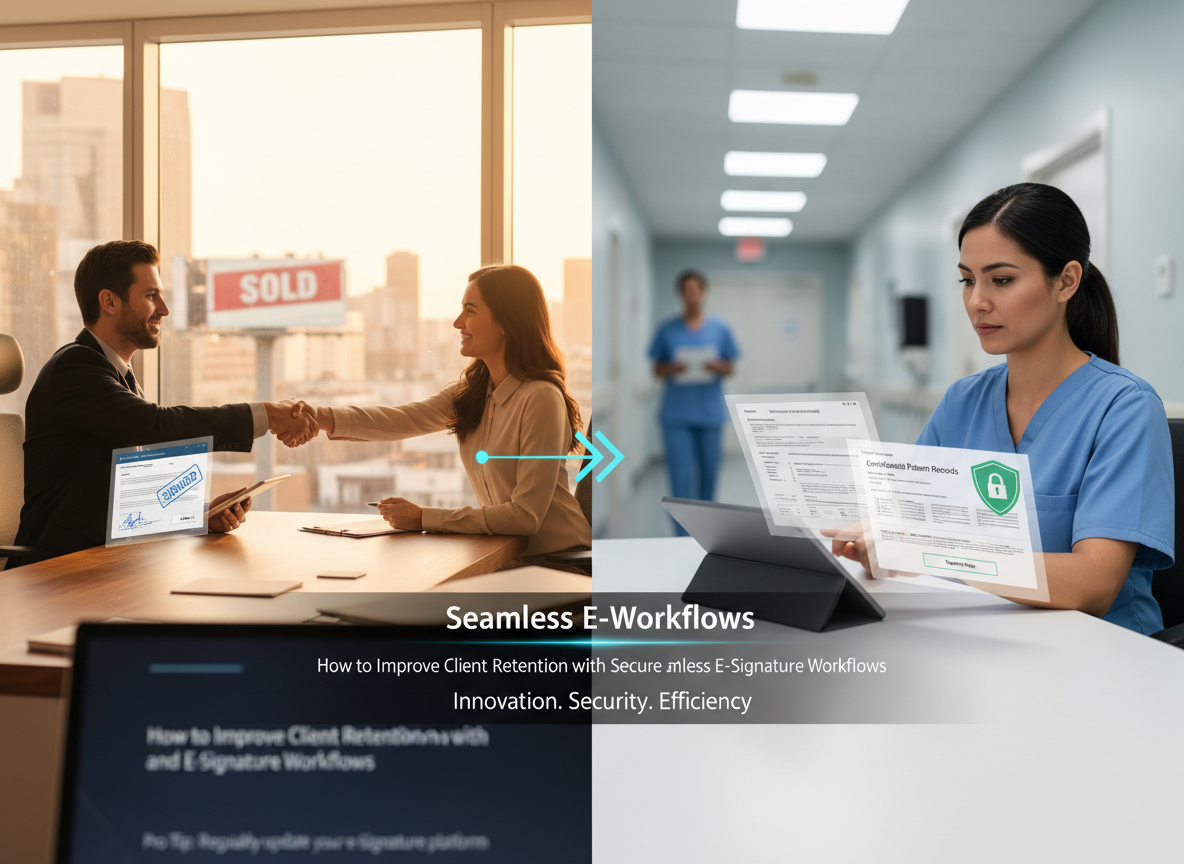
1. Legal Firm Increases Client Retention by 25%
A mid-size legal firm implemented e-signature workflows to streamline the contract signing process. Within six months, the firm reported a 25% increase in client retention. Clients appreciated the faster turnaround times and improved security, which reinforced their trust in the firm.
2. Real Estate Agency Saves 10 Hours Per Agent
A real estate agency adopted e-signatures to digitize lease agreements and other documents. This change saved each agent an average of 10 hours per week, allowing them to focus more on building relationships with clients. As a result, the agency saw a 15% increase in client referrals within the first year.
3. Healthcare Provider Achieves 98% Client Satisfaction
A healthcare provider integrated e-signatures into their patient onboarding process. The streamlined workflow reduced check-in times by 50%, leading to a 98% client satisfaction rate. Patients cited the easy-to-use system as a major improvement over traditional paper forms.
Common Pitfalls to Avoid
While e-signature workflows offer numerous benefits, there are common mistakes that can undermine their effectiveness:
- Choosing the Wrong Platform: Ensure the e-signature solution you select meets your specific needs and complies with relevant regulations.
- Neglecting Training: Both employees and clients need to be trained on how to use the platform effectively to avoid errors and frustration.
- Overlooking Compliance: Failing to meet legal requirements can lead to costly disputes and damage client trust.
Pro Tip: Run a pilot program with a small group of employees and clients before rolling out the platform fully. This allows you to address any issues early and ensure a smooth transition.
Measuring the ROI of E-Signature Workflows
To justify the investment in e-signature workflows, it’s essential to measure their ROI. Key metrics include:
- Document Turnaround Time: Compare the time it takes to complete document signing before and after implementing e-signatures.
- Client Satisfaction Scores: Use client surveys to gauge satisfaction levels and identify areas for improvement.
- Churn Rates: Monitor changes in client retention rates over time to assess the long-term impact of e-signature workflows.
- Cost Savings: Calculate the reduction in paper, postage, and labor costs resulting from digital workflows.
FAQ: Addressing Common Questions
Q1: Are e-signatures legally binding?
Yes, e-signatures are legally binding in most countries, provided they meet specific criteria outlined in laws like the ESIGN Act and eIDAS.
Q2: How secure are e-signature platforms?
Modern e-signature platforms use advanced encryption, multi-factor authentication, and audit trails to ensure security.
Q3: Can e-signature workflows integrate with other systems?
Yes, many platforms offer APIs and integrations with CRM, ERP, and other business tools.
Q4: What industries benefit most from e-signature workflows?
Industries like real estate, healthcare, finance, and legal services benefit greatly, but any business that handles contracts or sensitive documents can see improvements.
Conclusion
Secure and seamless e-signature workflows are no longer optional—they are essential for businesses looking to improve client retention. By reducing friction, enhancing security, and creating a positive client experience, these workflows can transform how businesses engage with their clients. Implementing strategies like the SEAL Framework ensures that your workflows are efficient, secure, and client-centric.
Ready to take your client retention strategy to the next level? Explore Zignature’s platform features to see how we can help your business create secure, seamless e-signature workflows.
To further enhance your digital workflows, explore our sister platforms: Apparatuz for workflow automation, Applicantz for recruitment management, Schedly for scheduling and appointments, Supportly for customer support, and Zatisfied for feedback management. Together, these tools create a comprehensive ecosystem that complements your digital signature strategy.