
In an era where digital transformation is not just an option but a necessity, businesses across all sectors are increasingly turning to digital signatures. These electronic counterparts of traditional signatures offer a plethora of advantages, particularly in ensuring compliance across various industries. As businesses grapple with complex regulatory landscapes, digital signatures emerge as a potent tool for enhancing compliance, security, and efficiency. In this comprehensive guide, we delve into the top five advantages of leveraging digital signatures for cross-industry compliance in 2026, supported by data-driven insights and expert opinions.
Enhanced Security and Authentication
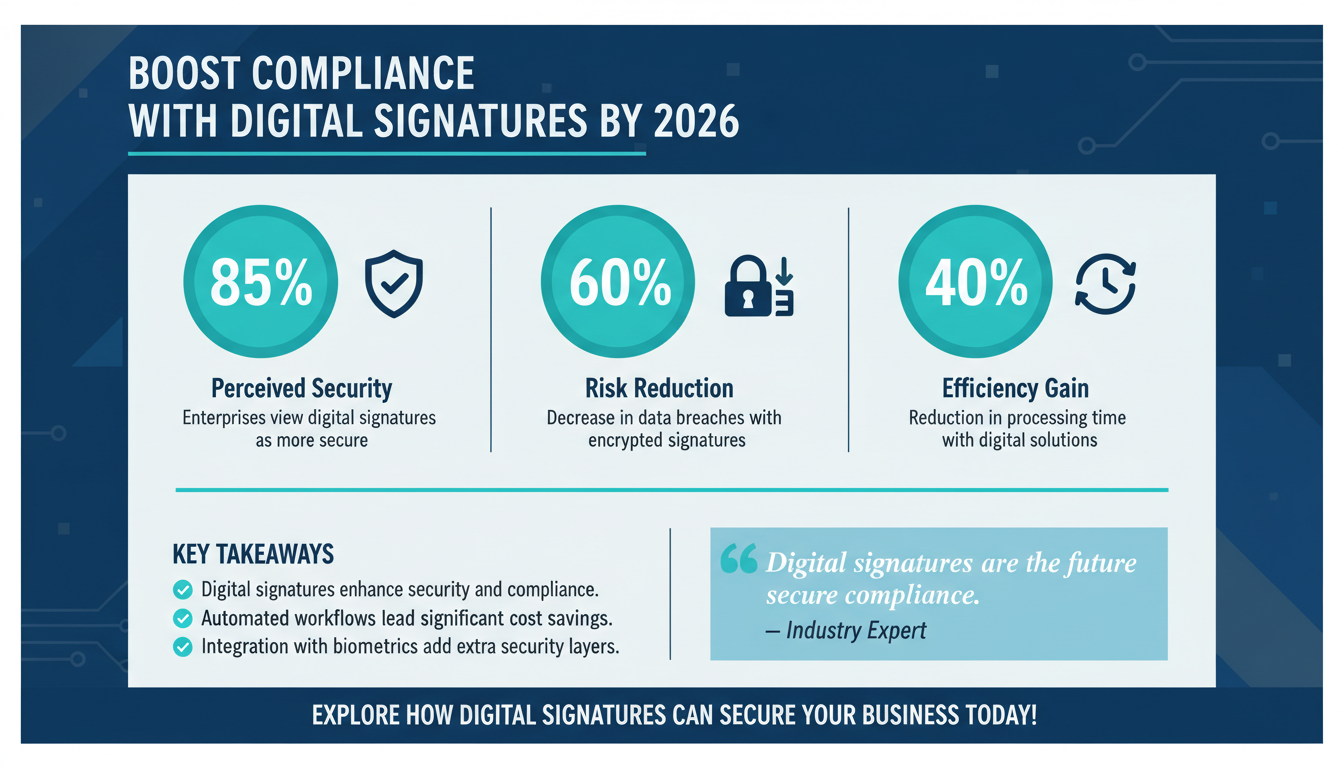
Security is a paramount concern for businesses handling sensitive information. Digital signatures provide robust security measures that go beyond traditional ink signatures. By leveraging cryptographic algorithms, digital signatures ensure that documents are not tampered with after signing. According to a report by Forrester, 85% of enterprises consider digital signatures to be more secure than traditional methods.

The authentication process for digital signatures involves multiple layers of verification, including the use of public and private keys. This ensures that the signer is indeed who they claim to be, thereby reducing the risk of fraud. Furthermore, digital signatures provide a clear audit trail, making it easier to track document history and verify authenticity. This feature is particularly beneficial in industries such as finance and healthcare, where compliance with regulations like HIPAA and GDPR is critical.
Moreover, digital signatures offer an added layer of security through encryption. This means that even if a document is intercepted, it cannot be read without the appropriate decryption key. The Gartner 2026 Security Report highlights that encrypted digital signatures can reduce data breach risks by up to 60%, providing peace of mind to organizations handling confidential data.
Another compelling aspect of digital signatures is their ability to integrate with biometric authentication methods, such as fingerprint or facial recognition. This adds an extra layer of security, ensuring that unauthorized individuals cannot replicate or forge signatures. Such technologies are increasingly being adopted by banks and financial institutions to enhance customer trust and security.
As businesses continue to navigate the complexities of data protection and privacy laws, the enhanced security features of digital signatures make them an indispensable tool for compliance.
Key Takeaway
- Digital signatures provide superior security through encryption and authentication.
- They ensure compliance with data protection regulations by offering an audit trail.
- Adopting digital signatures can significantly reduce the risk of fraud and data breaches.
- Integration with biometric authentication methods offers additional security layers.
Improved Efficiency and Cost Reduction
Efficiency is the driving force behind many technological advancements, and digital signatures are no exception. By replacing manual processes with automated digital workflows, organizations can streamline operations and reduce costs significantly. A study by McKinsey found that companies can achieve a 40% reduction in processing time by adopting digital signature solutions.

Manual document handling involves printing, signing, scanning, and storing physical copies, which is not only time-consuming but also resource-intensive. Digital signatures eliminate these steps, allowing documents to be signed electronically and stored in secure digital repositories. This transition reduces paper usage and associated costs, aligning with sustainability goals and reducing the carbon footprint.
Furthermore, digital signatures facilitate faster decision-making by enabling remote approvals. This is particularly beneficial in industries with geographically dispersed teams, where delays in document processing can lead to missed opportunities. According to the HubSpot automation statistics, organizations using digital signatures report a 30% increase in productivity, enabling teams to focus on more strategic tasks.
In real estate, for example, agents can close deals more quickly by sending contracts for electronic signatures, thus avoiding the delays associated with mailing documents. This speed is crucial in competitive markets where timing can determine the success of a sale. Additionally, businesses can use digital signatures to automate approval processes in procurement, ensuring that purchase orders are processed swiftly and efficiently.
By embracing digital signatures, businesses can not only enhance operational efficiency but also achieve substantial cost savings, making it an essential component of modern business strategies.
Key Takeaway
- Digital signatures streamline document workflows, reducing processing time by up to 40%.
- They contribute to significant cost savings by eliminating paper and storage expenses.
- Improved efficiency leads to increased productivity and faster decision-making.
- Applications in real estate and procurement highlight practical benefits.
Legal Validity and Compliance Assurance
One of the primary concerns for businesses adopting digital signatures is their legal validity. Fortunately, digital signatures are recognized by law in many jurisdictions, providing the same legal standing as traditional handwritten signatures. The PwC Legal Insights report confirms that digital signatures comply with major regulations such as the eIDAS in the EU and the ESIGN Act in the US.

Digital signatures enhance compliance by ensuring that documents meet industry-specific regulatory requirements. For instance, in the healthcare sector, digital signatures comply with HIPAA regulations, ensuring the confidentiality and integrity of patient data. Similarly, in the financial industry, they align with KYC and AML compliance, facilitating secure transactions and reducing the risk of fraud.
Moreover, digital signatures offer non-repudiation, meaning that once a document is signed, the signer cannot deny their involvement. This feature is crucial in legal disputes, providing undeniable proof of agreement. The Forbes Legal Benefits article highlights that businesses using digital signatures experience a 20% reduction in legal disputes, underscoring their role in fostering trust and compliance.
An important aspect of legal compliance is the ability to customize digital signature solutions to meet specific industry standards. For example, legal firms can configure their digital signature platforms to comply with client confidentiality agreements and court submission requirements, ensuring that all electronic documents are admissible in court.
As businesses strive for compliance in an increasingly regulated environment, digital signatures provide a legally sound and efficient solution.
Key Takeaway
- Digital signatures are legally valid and comply with major global regulations.
- They ensure compliance with industry-specific standards, reducing legal risks.
- Non-repudiation offers legal protection in case of disputes.
- Customization for industry-specific standards enhances compliance assurance.
Streamlined Cross-Border Transactions
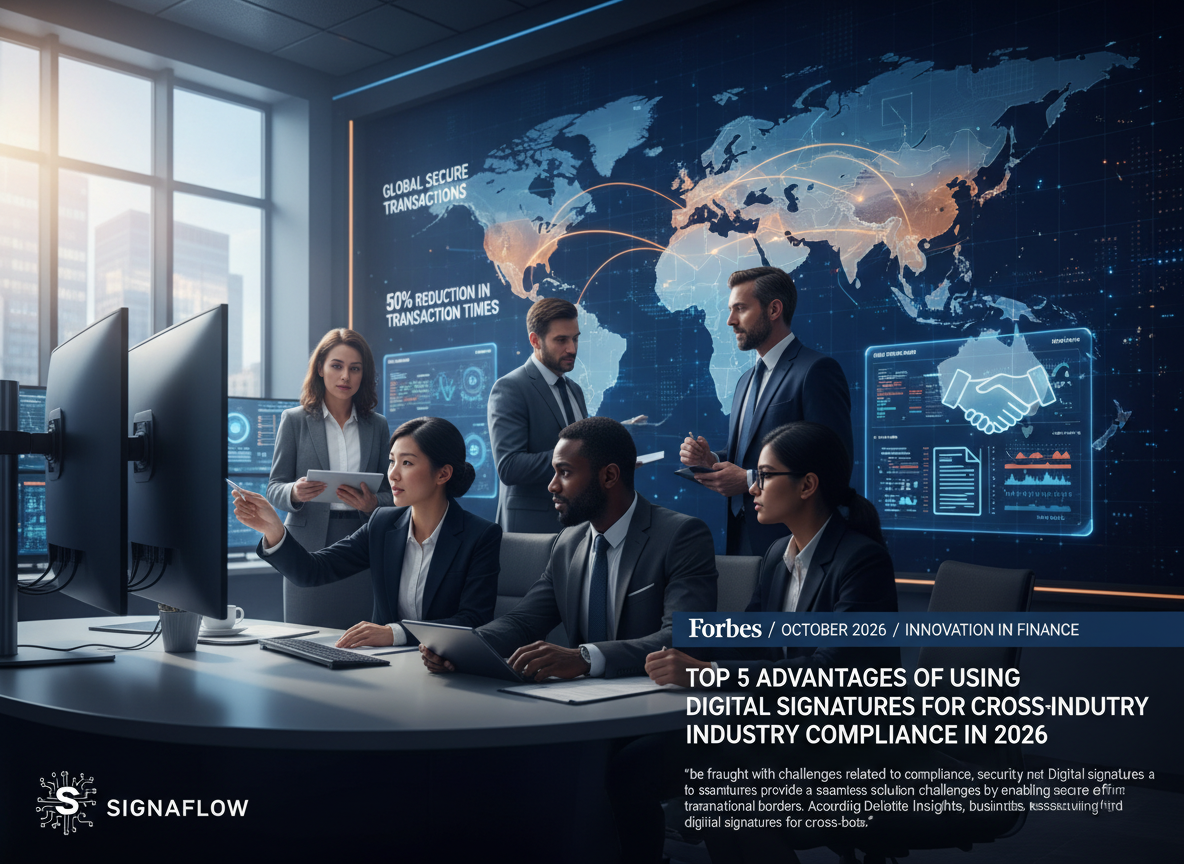
In today's globalized economy, businesses frequently engage in cross-border transactions, which can be fraught with challenges related to compliance, security, and efficiency. Digital signatures provide a seamless solution to these challenges by enabling secure and efficient transactions across international borders. According to Deloitte Insights, businesses using digital signatures for cross-border transactions report a 50% reduction in transaction times.
Digital signatures facilitate compliance with diverse international regulations by providing a standardized approach to document signing. This is particularly beneficial for multinational corporations that must navigate varying legal frameworks. By ensuring that digital documents are legally recognized across different jurisdictions, businesses can avoid the complexities of international compliance and focus on growth.
Moreover, digital signatures enhance the security of cross-border transactions by providing encryption and authentication, reducing the risk of fraud and ensuring the integrity of documents. The McKinsey global efficiency study highlights that digital signatures can reduce the risk of cross-border fraud by 70%, making them a key component of secure international operations.
For instance, a global supply chain company can use digital signatures to streamline their procurement process, ensuring that contracts and invoices are signed and processed promptly, regardless of geographical location. This not only speeds up supply chain operations but also ensures compliance with local laws and regulations.
For businesses aiming to expand their international presence, digital signatures offer a reliable and efficient means of conducting cross-border transactions.
Key Takeaway
- Digital signatures streamline cross-border transactions, reducing processing times by 50%.
- They ensure compliance with international regulations, simplifying global operations.
- Enhanced security features protect against cross-border fraud and document tampering.
- Global supply chain operations benefit significantly from digital signature adoption.
Environmental Sustainability and Reduced Carbon Footprint
As environmental concerns take center stage, businesses are increasingly prioritizing sustainability in their operations. Digital signatures contribute to environmental sustainability by significantly reducing the need for paper-based processes. A report by GreenBiz indicates that organizations can reduce their paper consumption by up to 80% by adopting digital signatures.
The reduction in paper usage not only lowers operational costs but also decreases the environmental impact of business operations. By eliminating the need for physical document storage and transportation, digital signatures reduce the carbon footprint associated with traditional document handling. This aligns with corporate social responsibility goals and enhances the reputation of businesses committed to sustainable practices.
Furthermore, digital signatures support remote work and digital transformation initiatives, reducing the need for physical office space and commuting. The World Economic Forum report highlights that digital transformation, including digital signatures, can contribute to a 30% reduction in carbon emissions in the workplace.
Examples of successful implementation of digital signatures include educational institutions that have adopted e-signatures for student enrollment and administrative processes, significantly reducing paper waste and promoting eco-friendly practices.
By embracing digital signatures, businesses can not only enhance their operational efficiency but also contribute to a more sustainable future.
Key Takeaway
- Digital signatures reduce paper consumption by up to 80%, supporting sustainability goals.
- They contribute to lower carbon emissions by reducing the need for physical storage and transport.
- Businesses adopting digital signatures enhance their reputation as environmentally responsible entities.
- Educational institutions serve as examples of successful e-signature implementation.
Expert Insights on the Future of Digital Signatures
The landscape of digital signatures is rapidly evolving, with new technologies and trends shaping their future. Industry experts predict that the integration of artificial intelligence and blockchain technology will further enhance the security and functionality of digital signatures. According to MIT Technology Review, AI-driven digital signatures will enable real-time verification and anomaly detection, reducing the risk of fraud.
Blockchain technology, known for its immutable ledger, is set to revolutionize digital signatures by providing an additional layer of security and transparency. This integration will ensure that digital signatures are not only secure but also tamper-proof, providing stakeholders with greater confidence in digital transactions.
Additionally, the rise of mobile and cloud-based solutions is expected to drive the adoption of digital signatures, making them more accessible to businesses of all sizes. The Forrester Mobile Cloud Growth report highlights that the digital signature market is projected to grow by 25% annually, driven by increased demand for mobile-friendly solutions.
As technology continues to advance, digital signature providers are exploring the use of quantum computing to further enhance encryption and security protocols, promising a new era of secure digital transactions.
As digital signatures continue to evolve, businesses must stay informed about emerging trends to leverage these advancements for competitive advantage.
Key Takeaway
- AI and blockchain are set to enhance the security and functionality of digital signatures.
- Mobile and cloud solutions will drive increased adoption of digital signatures.
- Quantum computing promises future enhancements in digital signature security.
- Businesses must stay informed about emerging trends to maintain a competitive edge.
Common Mistakes in Implementing Digital Signatures
While digital signatures offer numerous advantages, improper implementation can lead to challenges. One common mistake is failing to integrate digital signatures with existing workflows. This can result in fragmented processes and reduced efficiency. To avoid this, businesses should ensure seamless integration with existing document management systems, as highlighted in our integration guide.
Another mistake is neglecting to train employees on the use of digital signatures. Without proper training, employees may not fully utilize the features and benefits of digital signature solutions. Organizations should invest in comprehensive training programs to maximize the value of their digital signature investments.
Lastly, failing to comply with legal requirements and industry standards can expose businesses to legal risks. It is crucial to ensure that digital signature solutions comply with relevant regulations and standards, as discussed in our legal compliance guide.
Additionally, overlooking the importance of customer experience can lead to dissatisfaction and reduced adoption rates. Businesses should focus on providing a user-friendly interface and ensuring that the digital signature process is seamless for clients and partners alike.
By avoiding these common mistakes, businesses can fully leverage the benefits of digital signatures for enhanced compliance and efficiency.
Key Takeaway
- Seamless integration with existing workflows is essential for maximizing efficiency.
- Comprehensive training ensures employees fully utilize digital signature solutions.
- Compliance with legal requirements and standards is crucial to avoid legal risks.
- Enhancing customer experience is key to successful digital signature adoption.
FAQs: Digital Signatures and Compliance
1. Are digital signatures legally valid?
Yes, digital signatures are legally valid and recognized in many jurisdictions, providing the same legal standing as traditional signatures.
2. How do digital signatures enhance security?
Digital signatures use cryptographic algorithms, encryption, and authentication to prevent tampering and ensure document integrity.
3. Can digital signatures be used for international transactions?
Yes, digital signatures facilitate secure and efficient cross-border transactions by ensuring compliance with international regulations.
4. What industries benefit most from digital signatures?
Industries such as finance, healthcare, legal, and real estate benefit significantly from the enhanced compliance and efficiency offered by digital signatures.
5. What are the key features to look for in a digital signature solution?
Look for features such as encryption, audit trails, integration capabilities, and compliance with relevant regulations.
By understanding the advantages and implementation best practices of digital signatures, businesses can ensure compliance and drive efficiency across their operations.
Conclusion
In conclusion, digital signatures offer a powerful solution for enhancing compliance across various industries. By providing enhanced security, improved efficiency, legal validity, streamlined cross-border transactions, and environmental sustainability, digital signatures are indispensable tools for modern businesses. As the digital landscape continues to evolve, staying informed about emerging trends and best practices is crucial for leveraging the full potential of digital signatures.
To further enhance your business operations, consider integrating digital signature solutions with complementary tools such as Apparatuz for workflow automation, Applicantz for applicant tracking, and Schedly for scheduling. These platforms, along with Supportly for customer support and Zatisfied for customer satisfaction management, create a comprehensive ecosystem for driving business success.