
In today's fast-paced digital landscape, protecting intellectual property (IP) has become more crucial than ever. With the rise of cyber threats and global competition, businesses must safeguard their valuable assets. One powerful tool that has emerged at the forefront of IP protection is the digital signature. This article delves into how digital signatures can enhance intellectual property protection, offering best practices for businesses in 2026.
The Importance of Intellectual Property Protection in 2026
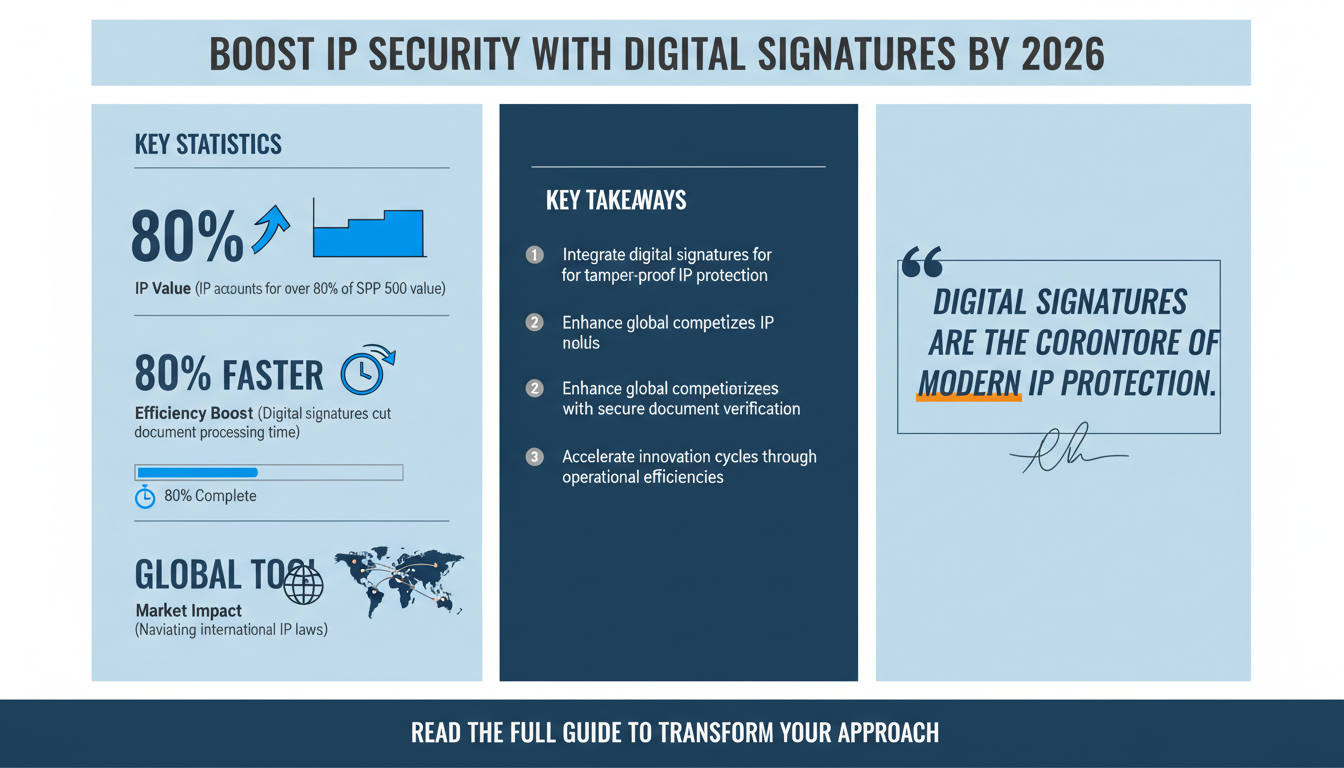
As businesses continue to innovate, the value of intellectual property has skyrocketed. According to a Deloitte report, IP accounts for more than 80% of the total value of S&P 500 companies. This highlights the necessity for robust protection mechanisms. Digital signatures, which provide an unalterable record of document authenticity, are pivotal in this landscape.

Ensuring the integrity and authenticity of documents is crucial for maintaining competitive advantage. Companies that fail to protect their IP risk losing billions in potential revenue. By integrating digital signatures into their workflows, businesses can provide a secure, tamper-proof method of verifying ownership and authenticity.
Global Market Implications
In the global marketplace, intellectual property has become a critical asset that can drive economic growth and competitive advantage. As IP becomes increasingly globalized, protecting these assets is paramount to maintaining a company’s market position. Digital signatures serve as a universal tool that can help companies navigate international IP laws and regulations, thereby preventing costly legal disputes and enhancing brand credibility on a global scale.
Operational Efficiency and Innovation
Furthermore, digital signatures offer operational efficiencies. A study by Forrester found that businesses utilizing digital signatures reduce document processing time by 80%, enabling faster innovation cycles. This efficiency allows companies to redirect resources toward innovation and growth. By streamlining administrative processes, digital signatures free up valuable time and resources, thus fostering an environment where innovation can thrive.
Moreover, the rise of remote work environments has necessitated the need for digital solutions that ensure security without compromising accessibility. Digital signatures fulfill this requirement, offering a seamless way to manage IP documents regardless of geographical limitations.
Understanding Digital Signatures and Their Role in IP Protection
Digital signatures are cryptographic mechanisms that authenticate the identity of the signer and ensure that the signed document has not been altered. This technology is essential for protecting IP in a digital world.

Unlike electronic signatures, which can be as simple as a typed name, digital signatures use a unique digital ID certified by a trusted third party. This level of security is critical for safeguarding intellectual assets. The process involves creating a unique hash of the document, encrypting it with the signer's private key, and attaching it to the document, thereby ensuring both authenticity and integrity.
Audit Trails and Legal Defense
One key advantage of digital signatures is their ability to provide a clear audit trail. This transparency is vital in legal disputes, offering irrefutable evidence of document authenticity and signer identity. Such evidence can be crucial in court proceedings, where proving the authenticity of documents can make or break a case. An audit trail not only supports legal defenses but also enhances overall accountability in business operations.
Remote Work and Global Operations
Moreover, digital signatures support remote workflows, allowing IP documentation to be securely signed and verified across borders, which is crucial in today's globalized economy. A Gartner forecast predicts that by 2026, over 90% of large organizations will use digital signatures to safeguard their intellectual property. This reflects a growing acknowledgment of their importance in the digital age.
Furthermore, as businesses expand globally, the need to protect IP across different jurisdictions becomes critical. Digital signatures provide a universally accepted method for ensuring compliance with varying international standards, thereby simplifying cross-border operations.
Best Practices for Implementing Digital Signatures in IP Protection
Implementing digital signatures effectively requires strategic planning and execution. Here are some best practices that businesses should follow to maximize their IP protection:

Choosing the Right Provider
1. Choose a Trusted Provider: Select a provider with a strong reputation for security and compliance. Ensure they offer flexible integration options and robust support. Consider providers that offer additional features such as mobile support and cloud integration for maximum flexibility.
It is also advisable to look for providers who have industry-specific experience and can offer tailored services that meet the unique needs of your business sector. Evaluating customer reviews and security certifications can further help in making an informed decision.
Team Training and Awareness
2. Train Your Team: Educate employees on the importance of IP protection and how to use digital signatures. Training should cover legal implications and practical applications. Regular workshops and updates can keep the team informed about the latest threats and technologies.
In addition to training, fostering a culture of security awareness within the organization can significantly enhance the effectiveness of digital signature implementations. Employees should be encouraged to report any suspicious activities and be proactive in maintaining document security.
System Integration and Policy Updates
3. Integrate with Existing Systems: Seamless integration with existing document management and workflow systems is vital to avoid disruptions and enhance efficiency. This may involve working closely with IT departments to ensure compatibility and minimize downtime during implementation.
Furthermore, regularly reviewing and updating policies ensures that the organization is prepared to tackle emerging threats and adapt to regulatory changes. Establishing a review committee can help in systematically evaluating and updating security policies.
By following these best practices, businesses can create a robust framework for IP protection that leverages the full potential of digital signatures. Additionally, fostering a culture of security awareness within the organization can further enhance the effectiveness of these measures.
Case Studies: Successful IP Protection with Digital Signatures
To illustrate the effectiveness of digital signatures in IP protection, let’s explore some real-world examples:

Tech Industry Success
Example 1: A Leading Tech Firm: This company integrated digital signatures into their R&D processes, reducing IP-related legal disputes by 60% and accelerating patent filing by 30%. By ensuring the authenticity of each document, they also facilitated smoother collaborations with international partners, enhancing their global market presence.
By adopting digital signatures, the firm not only streamlined its internal processes but also improved its external reputation. The ability to secure patents more efficiently gave it an edge in launching new technologies and securing market share rapidly.
Pharmaceutical Advancements
Example 2: A Global Pharmaceutical Company: By implementing digital signatures, this firm ensured compliance with international IP laws, fostering trust with global partners and reducing compliance costs by 40%. The streamlined processes also increased their speed to market, giving them a competitive edge in launching new products.
This pharmaceutical giant found that digital signatures mitigated risks associated with IP theft and unauthorized document alterations, which are critical in maintaining proprietary formulas and research data. The enhanced security measures facilitated partnerships with research institutions worldwide, leading to more collaborative innovation opportunities.
These case studies demonstrate the transformative impact of digital signatures on IP protection, highlighting the tangible benefits in legal security and operational efficiency. Companies not only protect their intellectual assets but also gain operational advantages that drive innovation and market success.
Contrarian Insights: Challenges and Misconceptions About Digital Signatures
While digital signatures offer significant advantages, it's essential to address common misconceptions and challenges:

Addressing Complexity and Integration
Misconception 1: Digital Signatures Are Too Complex: While the technology behind digital signatures can be complex, user interfaces are designed for ease of use, and providers offer comprehensive support. Simplified user experiences and detailed guides make adoption straightforward for businesses of all sizes.
Challenge 1: Integration with Legacy Systems: Older systems may require updates or replacements to fully leverage digital signatures, which can be a barrier for some organizations. It's crucial to assess system compatibility early in the decision-making process to plan for necessary upgrades.
Legal Binding and Compliance
Misconception 2: Digital Signatures Aren't Legally Binding: This is false. Digital signatures are recognized as legally binding in most jurisdictions, provided they meet specific criteria and standards. Understanding the legal requirements in different regions ensures compliance and avoids potential legal pitfalls.
Many businesses are unaware that international frameworks, such as the EU's eIDAS regulation and the U.S.'s ESIGN Act, provide clear guidelines for the legal validity of digital signatures, further enhancing their reliability and acceptance in global transactions.
Understanding these challenges and misconceptions is crucial for businesses to make informed decisions about implementing digital signatures. Addressing these issues head-on can facilitate smoother transitions and enhance the overall effectiveness of IP protection strategies.
Expert Insights: The Future of Digital Signatures in IP Protection
Experts predict that the role of digital signatures in IP protection will continue to grow. Innovations such as blockchain and AI will further enhance security and efficiency. Blockchain technology, for instance, offers a decentralized and immutable ledger that can verify transactions without the need for intermediaries.
Blockchain and Enhanced Security
According to IDC research, blockchain integration with digital signatures will provide even greater transparency and immutability in IP transactions. This could significantly reduce the risk of fraud and unauthorized alterations, further securing intellectual property. Blockchain’s role in IP protection is expected to expand, offering more sophisticated solutions for tracking IP ownership and usage across global networks.
AI and Predictive Analytics
Moreover, AI-driven analytics will enable predictive insights into potential IP threats, allowing proactive measures to be taken. By analyzing patterns and anomalies in data, AI can help identify vulnerabilities before they are exploited. This proactive approach to threat detection can prevent breaches and ensure that intellectual property remains safe from emerging cyber threats.
These advancements will not only strengthen IP protection but also open new avenues for innovation and collaboration across industries. Companies that embrace these technologies will likely gain a competitive advantage by being able to protect and leverage their IP more effectively.
Implementing Digital Signatures: A Step-by-Step Guide
For businesses ready to implement digital signatures, here is a step-by-step guide:
Needs Assessment and Solution Selection
Step 1: Assess Needs and Objectives: Determine your specific IP protection needs and goals to tailor the digital signature solution accordingly. This involves understanding the types of documents that require protection and the level of security needed. A detailed needs assessment can guide the selection of the most suitable digital signature technology for your business.
Step 2: Select a Solution: Choose a digital signature solution that aligns with your business requirements, offers strong security features, and is user-friendly. Consider factors such as scalability, integration capabilities, and customer support when making your choice. It’s crucial to select a solution that can grow with your business and adapt to future technological advancements.
Piloting and Deployment
Step 3: Pilot and Monitor: Conduct a pilot program to test the solution's effectiveness, gathering feedback from users and making necessary adjustments. A successful pilot can identify potential issues and provide insights into user adoption and satisfaction. Regular monitoring during the pilot phase ensures that any challenges are addressed promptly, facilitating a smoother full-scale implementation.
Step 4: Full Deployment: Once the pilot is successful, roll out the digital signature solution across relevant departments, ensuring continuous monitoring and support. Having a dedicated team to oversee the deployment can help manage the transition and troubleshoot any issues that arise. This team can also develop ongoing training sessions to keep users updated on best practices and new features.
This guide provides a comprehensive framework for successfully implementing digital signatures to enhance IP protection. By following these steps, businesses can ensure a smooth integration process that maximizes the benefits of digital signature technology.
FAQs About Digital Signatures and IP Protection
Here are some frequently asked questions regarding digital signatures and their role in IP protection:
Security and Legal Aspects
Q1: Are digital signatures secure?
A1: Yes, digital signatures use encryption and digital certificates to ensure the authenticity and integrity of documents. They are considered highly secure when implemented correctly.
Q2: Can digital signatures be used internationally?
A2: Yes, digital signatures are recognized internationally, and many countries have specific laws and standards governing their use. It's essential to understand the regulations in different jurisdictions to ensure compliance.
Differences and Industry Applications
Q3: How do digital signatures differ from electronic signatures?
A3: Digital signatures provide a higher level of security and verification, as they use cryptographic methods and digital certificates to validate signer identity and document integrity.
Q4: What industries benefit most from digital signatures?
A4: Industries dealing with critical IP, such as technology, pharmaceuticals, and legal services, benefit significantly from digital signatures. These industries require robust protection mechanisms to secure their intellectual assets and ensure compliance with regulatory standards.
Conclusion: Leveraging Digital Signatures for Future IP Protection
As we move towards an increasingly digital future, the importance of protecting intellectual property cannot be overstated. Digital signatures offer a powerful tool for businesses to secure their IP, streamline operations, and enhance compliance. By adopting best practices and staying informed of technological advancements, businesses can effectively leverage digital signatures for robust IP protection.
To further enhance your business processes, consider integrating digital signatures with Apparatuz for seamless workflow automation, or utilize Applicantz for efficient applicant tracking. For scheduling needs, Schedly offers innovative solutions, while Supportly can enhance your customer support capabilities. Lastly, gather valuable customer feedback with Zatisfied to continually improve your offerings.
Digital signatures are not just a trend but a necessity for modern businesses aiming to protect their most valuable assets—intellectual property—and remain competitive in a digitally evolving world.