
In an era dominated by digital transformation and remote work, businesses of all sizes are seeking reliable tools to facilitate seamless collaboration across geographically dispersed teams. Digital signatures have quickly emerged as a vital enabler of this change, revolutionizing how documents are managed, signed, and shared securely. From improving workflow efficiency to ensuring legal compliance and robust security, digital signatures provide a practical and scalable solution for the modern workplace. This article explores the transformative role of digital signatures in remote collaboration, offering actionable insights for SMBs and enterprises to harness their full potential.
The Rise of Remote Work and Distributed Teams
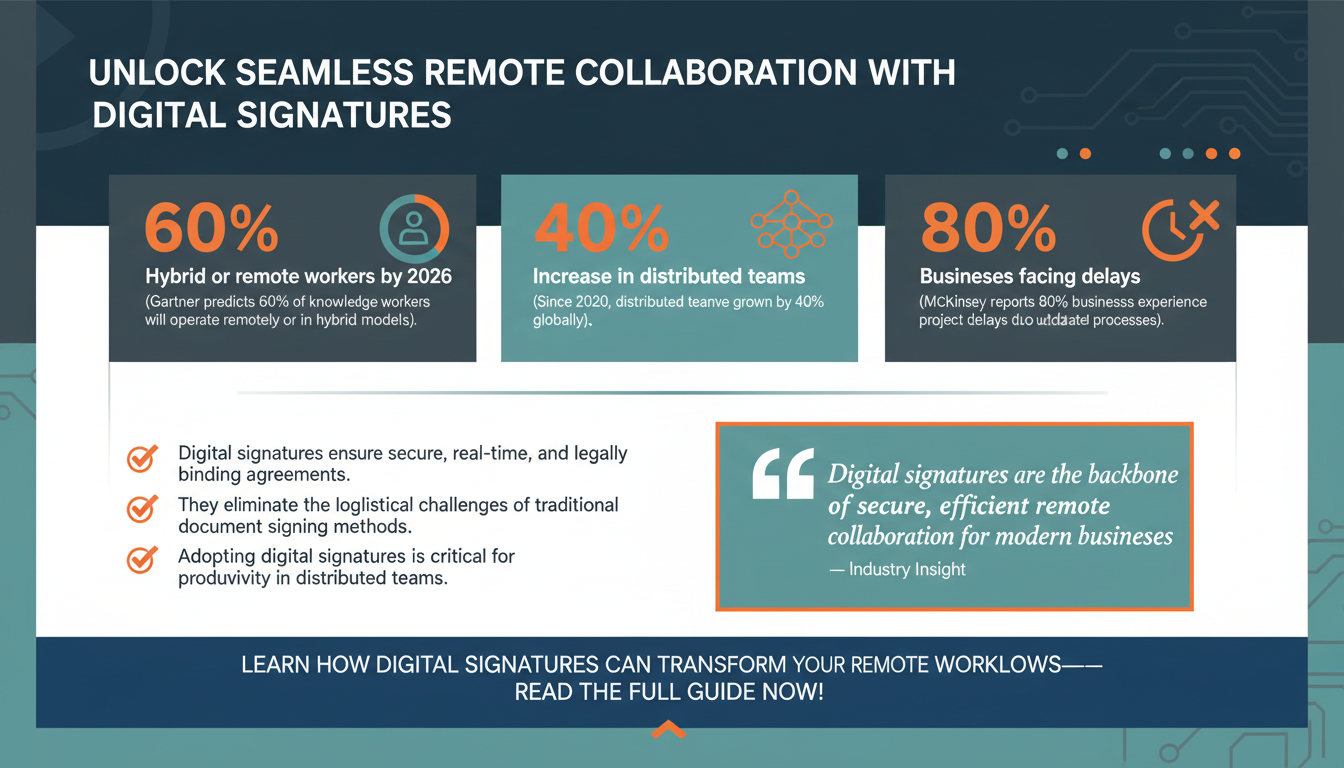
The workplace has undergone a seismic shift, with remote work no longer viewed as a temporary adjustment but as a permanent reality for many organizations. According to Gartner, over 60% of knowledge workers are expected to operate in hybrid or fully remote models by 2026. This shift is especially pronounced in industries such as technology, professional services, and healthcare, where distributed teams are becoming the norm. Additionally, a 40% increase in the prevalence of distributed teams has been observed since the pandemic began in 2020, underscoring the rapid adoption of this model.

While remote work has unlocked opportunities for businesses to access a global talent pool, it has also introduced new challenges. Managing workflows, ensuring timely approvals, and maintaining compliance across borders are some of the hurdles that organizations face. Traditional methods of document signing, such as in-person meetings and courier services, are no longer practical in this environment, particularly when speed and efficiency are paramount. For instance, a report by McKinsey highlighted that 80% of businesses have experienced delays in project timelines due to outdated document-handling processes.
This is where digital signatures come into play. Unlike their traditional counterparts, digital signatures enable real-time, secure, and legally binding agreements, eliminating the logistical challenges of remote collaboration. As SMBs and enterprises navigate the complexities of distributed workforces, adopting digital signature solutions becomes critical for maintaining productivity and ensuring seamless operations.
What Are Digital Signatures and How Do They Work?
Digital signatures are advanced electronic signatures that use cryptographic algorithms to ensure the authenticity, integrity, and non-repudiation of a document. While electronic signatures can be as simple as a typed name or scanned image, digital signatures go a step further by incorporating public key infrastructure (PKI) technology to provide an added layer of security.
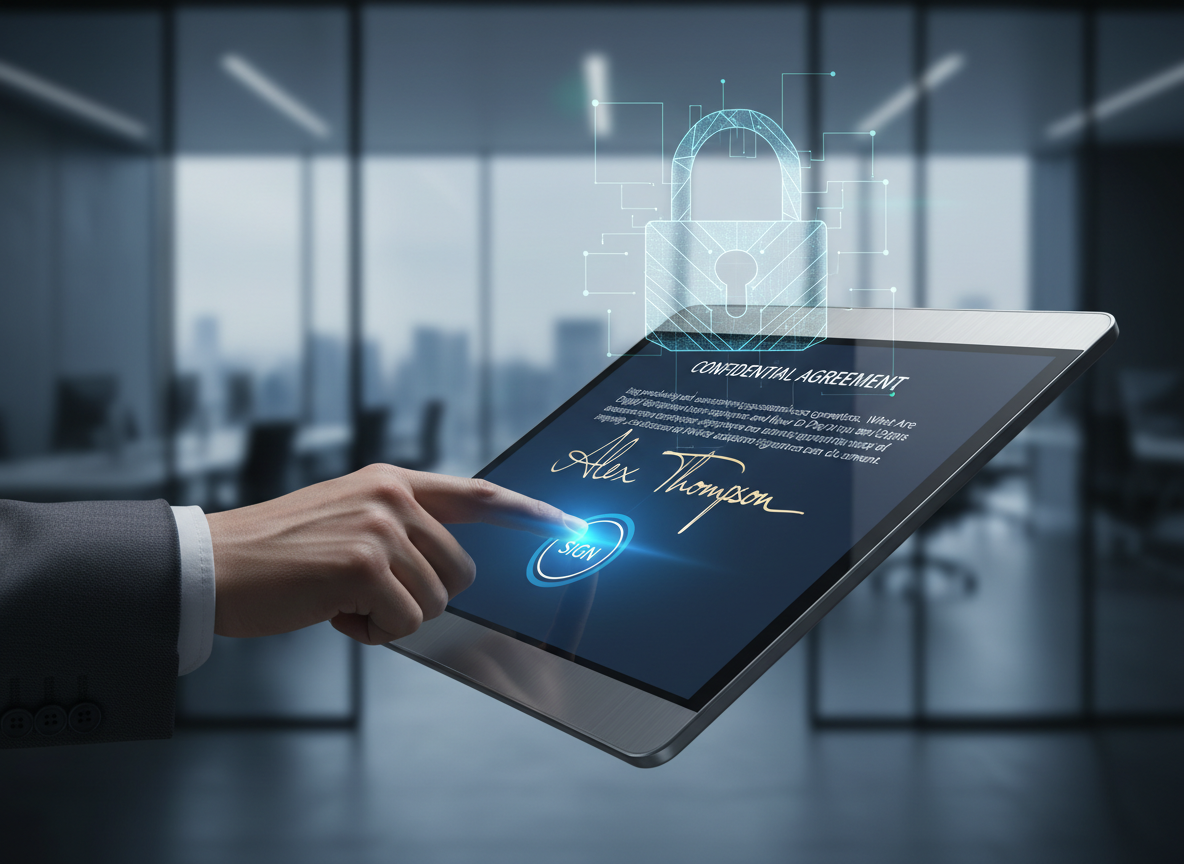
The process of creating a digital signature involves multiple steps:
- Document Preparation: The sender uploads the document to a digital signature platform and specifies the areas where signatures are required.
- Signature Encryption: The signer uses a private key to create a unique encrypted signature that is attached to the document.
- Secure Transmission: The signed document is sent to the recipient, who can verify its authenticity using the signer’s public key.
- Verification: The recipient ensures the document has not been tampered with by comparing the encrypted signature against the original data.
Digital signatures are legally binding in most countries, thanks to regulatory frameworks such as the ESIGN Act in the United States and eIDAS in the European Union. These frameworks ensure that digital signatures are recognized as equivalent to handwritten signatures, making them suitable for a wide range of applications, from contracts to financial transactions.
For example, a multinational corporation operating across the United States and Europe can use digital signatures to execute cross-border agreements without worrying about differing legal standards. By leveraging a single, compliant platform, the organization can save time, reduce costs, and ensure the integrity of its documents.
Key Benefits of Digital Signatures for Remote Teams
Digital signatures offer a host of benefits, particularly for remote teams that rely on efficient and secure workflows. Below are the key advantages:

1. Speed and Efficiency: Traditional methods of document signing, such as printing, scanning, and mailing, can take days or even weeks. Digital signatures reduce this process to mere minutes. For instance, a study by DocuSign found that digital signatures accelerate contract approvals by 80%, enabling teams to focus on strategic initiatives rather than administrative tasks.
2. Enhanced Security: Security is a top concern for remote teams, especially when dealing with sensitive information. Digital signatures use advanced encryption and tamper-proof technology to ensure that documents cannot be altered once signed. According to Forrester, businesses using PKI-based digital signatures experience a 70% reduction in document fraud compared to those relying on traditional methods.
3. Cost Savings: The financial benefits of digital signatures are significant. Gartner estimates that companies can save up to $20 per document by eliminating paper, printing, and courier expenses. Over time, these savings can amount to thousands or even millions of dollars, particularly for large organizations handling high volumes of documents.
4. Global Accessibility: One of the biggest challenges for distributed teams is bridging geographical gaps. Digital signatures enable team members in different locations and time zones to sign documents instantly, ensuring that projects move forward without delays. For example, a team in London can finalize a contract with a vendor in Tokyo within hours, rather than waiting for international shipping.
5. Legal Compliance: The global nature of remote work requires solutions that comply with international laws and standards. Digital signatures meet this requirement, providing businesses with a secure and legally recognized method of signing documents across borders.
For SMBs and enterprises alike, these benefits make digital signatures an indispensable tool for optimizing workflows and fostering collaboration in a remote-first world.
Top Use Cases for Digital Signatures in Remote Collaboration
Digital signatures are versatile and can be applied across various industries and functions. Below are some of the most common use cases:
1. Contract Management: Legal teams can draft, negotiate, and finalize contracts without the need for in-person meetings. For example, a law firm managing multiple clients can use digital signatures to expedite the signing of legal agreements, ensuring compliance and faster turnaround times.
2. HR Processes: Hiring and onboarding remote employees often involve significant paperwork, from offer letters to non-disclosure agreements (NDAs). Digital signatures simplify this process, enabling HR teams to onboard candidates quickly and efficiently. For instance, a growing startup can onboard a new employee in a different country within hours instead of days.
3. Procurement: Procurement teams often deal with vendor agreements, purchase orders, and invoices. Digital signatures streamline these workflows, reducing delays and ensuring transparency. For example, a retail company can use digital signatures to approve vendor contracts during peak shopping seasons, avoiding disruptions in supply chains.
4. Financial Transactions: Finance teams can securely sign loan agreements, audit reports, and tax filings using digital signatures, ensuring compliance and accuracy. For instance, a bank processing a large volume of loans can reduce errors and speed up approvals by adopting digital signatures.
5. Healthcare: Healthcare providers can use digital signatures to approve patient records, prescriptions, and insurance claims while adhering to regulations like HIPAA. For example, a telemedicine platform can enable doctors to sign digital prescriptions, improving patient care and reducing wait times.
These use cases demonstrate the flexibility and scalability of digital signatures, making them a valuable asset for organizations across sectors.
How Digital Signatures Improve Workflow Integration
For digital signatures to deliver maximum value, they must integrate seamlessly with existing workflows and tools. Leading platforms offer robust APIs and integrations with popular software, enabling businesses to embed digital signatures into their daily operations. Below are some ways digital signatures enhance workflow integration:
1. Automated Approvals: Digital signatures automate multi-layered approval processes, reducing manual intervention and ensuring accountability. For example, a project management team can set up automated workflows that route documents to the appropriate stakeholders for signatures.
2. Real-Time Notifications: Integration with collaboration tools like Slack and Microsoft Teams ensures that team members receive instant updates on document statuses. This reduces follow-up emails and keeps everyone aligned.
3. Centralized Document Management: By integrating with cloud storage solutions like Google Drive and Dropbox, digital signature platforms provide a centralized repository for signed documents. This improves accessibility and reduces the risk of lost files.
4. Analytics and Reporting: Advanced platforms offer analytics dashboards that provide insights into workflow efficiency, such as average signing times and bottlenecks. These insights enable teams to optimize their processes and improve overall productivity.
By integrating digital signatures into existing workflows, businesses can enhance efficiency, reduce errors, and create a cohesive operational environment.
Common Challenges and How to Overcome Them
While digital signatures offer numerous advantages, their adoption can present challenges. Below are some common obstacles and strategies to overcome them:
1. Resistance to Change: Employees may be hesitant to adopt new technology. To address this, businesses should provide training sessions, tutorials, and clear demonstrations of the benefits, such as faster workflows and reduced workload.
2. Lack of Integration: Choosing a platform with robust integration capabilities ensures compatibility with existing tools. For example, businesses using Salesforce can select a digital signature solution with a native integration to streamline processes.
3. Security Concerns: Some organizations may worry about the security of digital signatures. Educating teams about encryption, tamper-proof technology, and compliance certifications can alleviate these concerns.
4. Regulatory Confusion: Different countries have different laws governing digital signatures. Partnering with a trusted provider ensures compliance with international standards, reducing uncertainty.
By proactively addressing these challenges, businesses can ensure a smooth transition to digital signatures and maximize their value.
Proprietary Framework: The SIGN Framework
To help businesses implement digital signatures effectively, we introduce the SIGN Framework:
- S: Select the right platform that meets your industry-specific needs and offers robust features.
- I: Integrate seamlessly with existing tools like CRM and project management software.
- G: Guide your team with training, onboarding resources, and ongoing support.
- N: Navigate regulatory compliance by partnering with trusted providers.
By following this framework, businesses can streamline their adoption of digital signatures and ensure long-term success.
FAQ Section
Q: Are digital signatures legally binding?
A: Yes, digital signatures are legally binding under laws like the ESIGN Act in the U.S. and eIDAS in the EU.
Q: How secure are digital signatures?
A: Digital signatures use encryption and tamper-proof technology, ensuring high levels of security and authenticity.
Q: Can digital signatures integrate with my existing tools?
A: Yes, platforms like Zignature offer APIs for integration with tools like Salesforce, Teams, and Slack.
Q: What industries benefit most from digital signatures?
A: Industries like legal, healthcare, finance, and real estate benefit significantly from digital signature solutions.
Q: How can I train my team to use digital signatures?
A: Providing hands-on workshops and tutorials can ease adoption and ensure effective usage.
Conclusion: Transforming Remote Collaboration with Digital Signatures
Digital signatures are revolutionizing remote collaboration, providing businesses with the tools they need to thrive in a distributed work environment. By offering unmatched speed, security, and scalability, digital signatures enable teams to overcome geographical barriers and streamline workflows. Platforms like Zignature make it easier than ever for SMBs and enterprises to adopt digital signatures and unlock their full potential.
As you explore digital signatures, consider complementing them with tools like Apparatuz for workflow automation and Schedly for scheduling needs. Together, these solutions create a powerful ecosystem for remote collaboration. Ready to transform your workflows? Start with Zignature's features today.