
Introduction: The Digital Transformation of Employee Onboarding
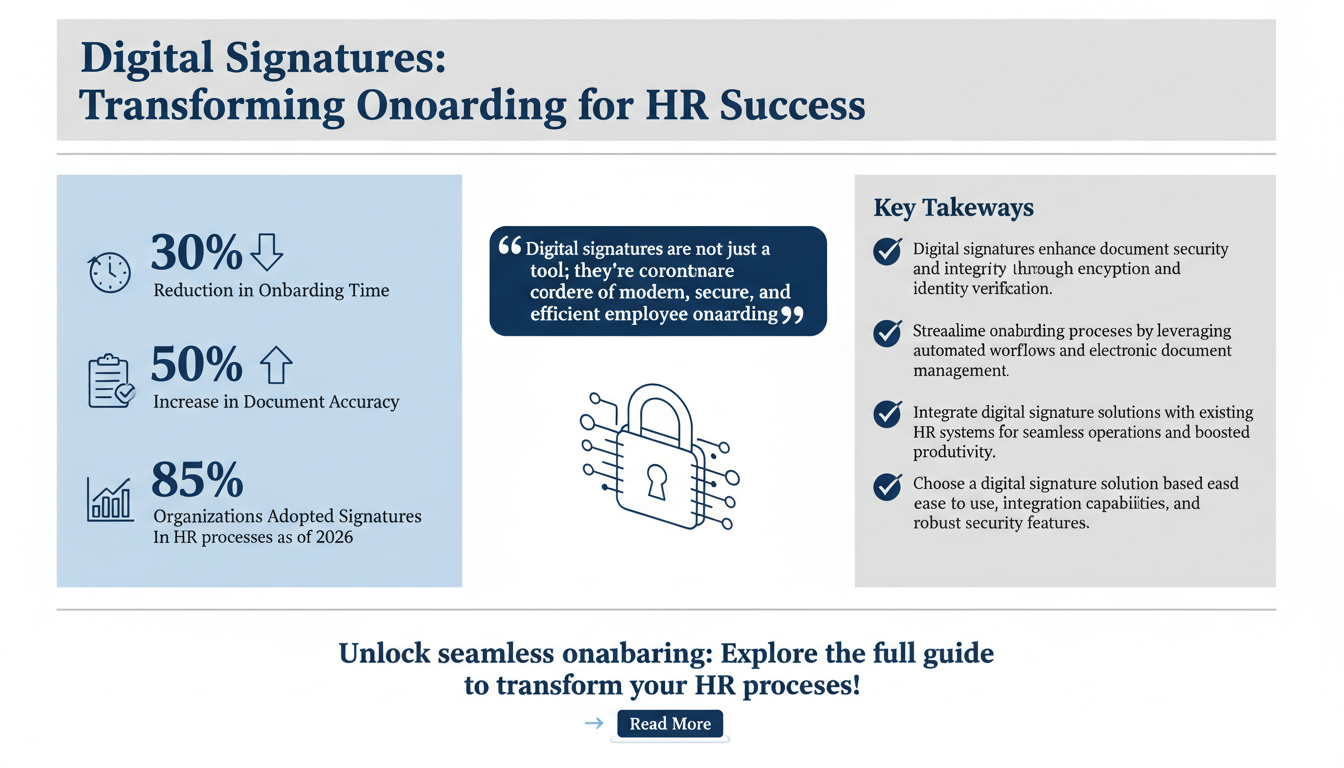
In today's fast-paced business environment, the process of employee onboarding has evolved significantly. No longer confined to paper-based processes, organizations are increasingly adopting digital solutions to streamline onboarding. Among these, digital signatures stand out as a transformative tool that offers security, efficiency, and compliance. According to a recent Forrester report, companies that have adopted digital signatures report a 30% reduction in onboarding time and a 50% increase in document accuracy. This shift not only enhances the employee experience but also aligns with the broader trend of digital transformation across industries.
As businesses seek to remain competitive, HR teams must embrace innovative technologies that facilitate seamless onboarding. Digital signatures provide a secure and efficient alternative to traditional methods, ensuring that all documentation is legally binding and easily accessible. By integrating digital signatures into the onboarding process, organizations can achieve greater efficiency and compliance.
In this comprehensive guide, we'll explore how digital signatures are revolutionizing employee onboarding. We'll delve into best practices for HR teams, highlight common pitfalls to avoid, and provide actionable insights to enhance your onboarding process. Whether you're an HR professional in a large enterprise or a small business owner, understanding the role of digital signatures in onboarding is crucial for success in 2026 and beyond.

The Role of Digital Signatures in Modern Onboarding
Digital signatures have become a cornerstone of modern employee onboarding. Unlike traditional signatures that require physical documents, digital signatures enable HR teams to manage paperwork electronically, thus reducing processing time and minimizing errors. According to a Gartner study, 85% of organizations have adopted digital signatures in their HR processes as of 2026, highlighting their growing importance.
Enhancing Document Security and Integrity
One of the primary benefits of digital signatures is their ability to ensure the authenticity and integrity of documents. By using encryption and secure key management, digital signatures verify the identity of signatories and prevent unauthorized alterations. This is particularly important in onboarding, where sensitive information such as employment contracts and tax forms are involved. By ensuring these documents are securely signed, HR teams can protect both the company and new employees from potential fraud or data breaches.
Streamlined Onboarding Processes
Furthermore, digital signatures facilitate a more streamlined and efficient onboarding process. With automated workflows and electronic document management, HR teams can quickly send, receive, and store onboarding documents. This reduces the time spent on administrative tasks and allows HR professionals to focus on more strategic initiatives, such as talent development and employee engagement.
Pro Tip: Consider integrating digital signature solutions with your existing HR management systems to create a seamless workflow that further reduces administrative burdens and boosts productivity.

Best Practices for Implementing Digital Signatures in Onboarding
Implementing digital signatures in the onboarding process requires careful planning and execution. To maximize the benefits, HR teams should follow several best practices. First, it's essential to choose the right digital signature solution that aligns with your organization's needs. Consider factors such as ease of use, integration capabilities, and security features when selecting a provider.
Choosing the Right Solution
When selecting a digital signature solution, organizations should prioritize platforms that offer robust security features, user-friendly interfaces, and seamless integration with existing technology stacks. It's important to evaluate whether the solution complies with industry standards and regulations, ensuring both legal validity and protection against data breaches.
Expert Insight: Engage with IT and legal departments during the selection process to ensure that the digital signature solution not only meets technical requirements but also aligns with regulatory compliance needs.
Establishing Policies and Procedures
Once a solution is chosen, HR teams should establish clear policies and procedures for using digital signatures. This includes defining which documents require digital signatures, who has authority to sign them, and how signatures will be managed and stored. By establishing a standardized process, organizations can ensure consistency and compliance across all onboarding activities.
Training and Continuous Improvement
Training is another critical component of successful implementation. HR professionals and new employees should be trained on how to use digital signature tools effectively. This minimizes errors and ensures that all parties are comfortable with the new process. Regularly updating this training to reflect any changes in technology or regulations is also important to maintain compliance and efficiency.
Pro Tip: Develop a feedback loop where HR and employees can provide insights on the digital signature process, allowing for continuous improvement and adaptation to new challenges.

Security and Compliance: Ensuring Legal Validity
Security and compliance are paramount when using digital signatures for employee onboarding. Digital signatures must adhere to legal standards to ensure that signed documents are legally binding. According to the American Bar Association, digital signatures are recognized as legally binding under laws such as the E-SIGN Act in the United States and eIDAS Regulation in the European Union.
Maintaining Compliance
To maintain compliance, organizations should ensure that their digital signature solutions meet all relevant legal requirements. This includes using advanced encryption methods, maintaining detailed audit trails, and ensuring the availability of signed documents for future reference. Additionally, organizations should stay informed about any changes in digital signature regulations to remain compliant.
Ensuring Robust Security
Security is equally important in the digital signature process. Using secure platforms that offer robust encryption and authentication methods can protect sensitive employee information from unauthorized access. Regularly updating security protocols and conducting audits can further enhance the security of digital signatures and prevent potential breaches.
Expert Insight: Consider partnering with cybersecurity experts to conduct regular security assessments and ensure that your digital signature processes are fortified against emerging threats.

Common Mistakes to Avoid When Using Digital Signatures
Despite the many benefits of digital signatures, organizations often make mistakes that can undermine their effectiveness. One common mistake is failing to integrate digital signatures with existing HR systems. Without proper integration, the onboarding process can become fragmented, leading to inefficiencies and errors. To avoid this, organizations should ensure that their digital signature solutions seamlessly integrate with HR software and other tools.
Neglecting Policy Updates
Another pitfall is neglecting to update digital signature policies and procedures regularly. As technology and regulations evolve, so should your organization's approach to digital signatures. Failing to update policies can result in non-compliance and expose the organization to legal risks.
Overlooking User Training
Additionally, some organizations overlook the importance of user training. Without proper training, both HR professionals and new employees may struggle to use digital signature tools effectively. This can lead to mistakes and delays in the onboarding process. Providing comprehensive and ongoing training can mitigate these issues and ensure a smooth onboarding experience.
Pro Tip: Establish a regular review cycle for digital signature policies and training programs to ensure they remain current and effective.

Real-World Examples: Companies Succeeding with Digital Signatures
Several companies have successfully implemented digital signatures in their onboarding processes, resulting in significant improvements. For instance, a leading tech company reported a 40% reduction in onboarding time after adopting digital signatures. This allowed their HR team to focus more on strategic initiatives and less on administrative tasks.
Case Study: Healthcare Industry
In the healthcare industry, a major hospital system used digital signatures to streamline the onboarding of new staff. By reducing paperwork and improving document accuracy, they were able to onboard new hires more quickly, ensuring that critical positions were filled without delay.
Learning from Success
These examples highlight the transformative potential of digital signatures in various industries. By learning from these success stories, other organizations can identify best practices and strategies to enhance their own onboarding processes.
Expert Insight: Analyze the specific challenges and solutions employed by these companies to tailor digital signature strategies that best fit your organization's unique needs.
Proprietary Framework: The SIGN Strategy for Digital Onboarding
To assist organizations in effectively implementing digital signatures, we have developed the SIGN Strategy, a proprietary framework that outlines key steps for success. SIGN stands for Select, Integrate, Govern, and Nurture.
Select: Choosing the Right Tools
Select: Choose a digital signature solution that aligns with your organization's needs and integrates with existing systems. Prioritize security, ease of use, and compliance features.
Integrate: Seamless Process Integration
Integrate: Seamlessly incorporate digital signatures into your HR processes. Ensure that all relevant systems are connected and that workflows are automated for efficiency.
Govern: Establishing Control and Compliance
Govern: Establish clear policies and procedures for using digital signatures. Define roles and responsibilities, and ensure compliance with legal standards.
Nurture: Training and Support
Nurture: Provide ongoing training and support to HR professionals and employees. Update training materials regularly to reflect changes in technology and regulations.
Pro Tip: Regularly evaluate the SIGN strategy to ensure it remains aligned with your organization's goals and technological advancements.
Looking Ahead: The Future of Digital Signatures in Onboarding
The future of employee onboarding is undoubtedly digital, and digital signatures will continue to play a critical role. As technology evolves, we can expect to see further advancements in digital signature solutions, including enhanced security features, greater integration capabilities, and more user-friendly interfaces.
Impact of Emerging Technologies
Emerging technologies such as blockchain and artificial intelligence are also poised to impact the digital signature landscape. Blockchain offers the potential for even more secure and transparent signature processes, while AI can automate and optimize various aspects of onboarding.
Adapting to Future Trends
As organizations continue to prioritize digital transformation, the adoption of digital signatures in onboarding is expected to grow. By staying ahead of these trends and embracing innovative solutions, HR teams can enhance their onboarding processes and ensure a seamless experience for new employees.
Expert Insight: Stay informed about technological advancements and be prepared to adapt quickly, ensuring your onboarding processes remain at the forefront of innovation.
FAQs: Common Questions About Digital Signatures in Onboarding
What is a digital signature, and how does it differ from an electronic signature? A digital signature is a type of electronic signature that uses encryption to verify the authenticity of a document. It provides a higher level of security and is legally binding in many jurisdictions.
Are digital signatures legally valid? Yes, digital signatures are legally recognized under laws such as the E-SIGN Act in the U.S. and the eIDAS Regulation in the EU. They provide the same legal standing as traditional handwritten signatures.
How can digital signatures improve the onboarding process? Digital signatures streamline the onboarding process by reducing paperwork, minimizing errors, and ensuring secure document management. They allow for faster processing and improved compliance.
What should organizations consider when selecting a digital signature solution? Organizations should evaluate factors such as security, ease of use, integration capabilities, and compliance features when choosing a digital signature solution. It's essential to select a provider that aligns with your specific needs.
How can HR teams ensure the security of digital signatures? HR teams can ensure security by using solutions that offer robust encryption, authentication methods, and detailed audit trails. Regularly updating security protocols and conducting audits can further enhance security.