
Introduction: The New Era of Digital Signatures in Healthcare
In 2026, the healthcare industry stands at the forefront of digital transformation, with digital signatures playing a pivotal role in streamlining compliance processes. As medical practices and hospitals grapple with the complexities of regulatory requirements, digital signatures offer a secure, efficient, and legally binding solution. This guide delves into how digital signatures are revolutionizing healthcare compliance, offering insights that will empower medical professionals to harness these technologies effectively.
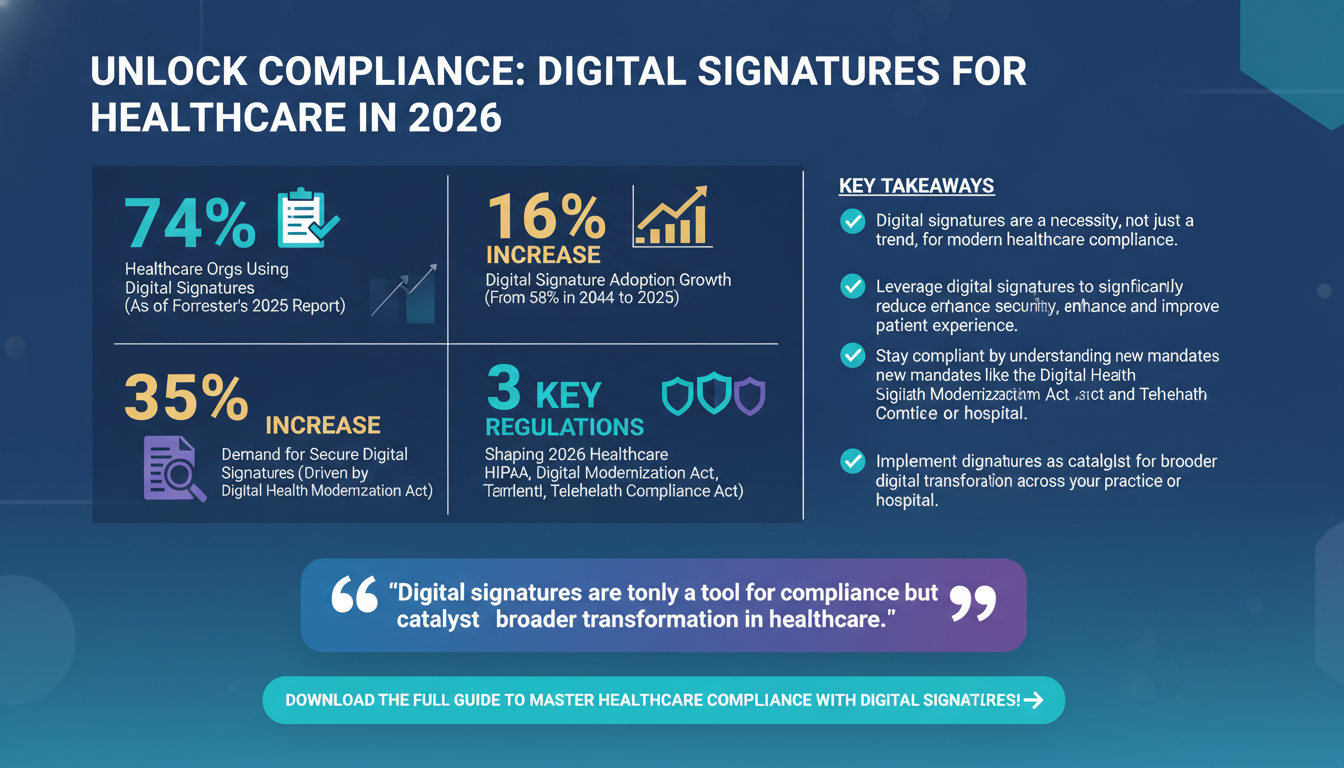
The adoption of digital signatures is not merely a trend but a necessity in the Modern Healthcare landscape. According to Forrester's 2025 report, over 74% of healthcare organizations have integrated digital signatures into their workflows, a significant increase from 58% in 2024. This surge is driven by the pressing need for efficient document management and compliance with stringent regulations.
As we explore the various facets of digital signatures in healthcare, this guide will provide actionable strategies, data-driven insights, and expert perspectives to help medical practices and hospitals navigate the evolving regulatory landscape. Whether you're a seasoned healthcare administrator or new to digital documentation, this resource will serve as your definitive guide to leveraging digital signatures for compliance.
Digital signatures are not only a tool for compliance but a catalyst for broader digital transformation in healthcare. By significantly reducing reliance on paper, they enable a more sustainable and environmentally friendly approach to document management. The potential for error reduction and improved patient experience is immense, as digital signatures ensure that documents are processed quickly and accurately, reducing wait times and enhancing service delivery.
Moreover, the integration of digital signatures aligns with the global push towards more secure digital communications. As cyber threats become increasingly sophisticated, the healthcare industry must adopt advanced security measures. Digital signatures, with their robust encryption and authentication protocols, provide a critical layer of protection against unauthorized access and data breaches.

Understanding Healthcare Compliance: The Regulatory Landscape in 2026
Healthcare compliance in 2026 is a complex tapestry of regulations that medical practices and hospitals must navigate. The Health Insurance Portability and Accountability Act (HIPAA) remains a cornerstone, ensuring the protection of patient information. However, new regulations have emerged, reflecting technological advancements and changing societal needs.
The introduction of the Digital Health Modernization Act in 2025 has further expanded the compliance framework, emphasizing data security and patient consent. This act mandates that all digital communications, including signatures, adhere to strict encryption standards to prevent unauthorized access. According to Healthcare IT News, this legislation has increased the demand for secure digital signature solutions by 35%.
Moreover, the rise of telemedicine has brought about additional compliance challenges. The Telehealth Compliance Act of 2025 outlines specific guidelines for documenting virtual consultations, requiring digital signatures to verify patient consent and treatment plans. As healthcare providers expand their digital offerings, understanding these regulations is crucial for maintaining compliance and avoiding costly penalties.
Beyond national regulations, international frameworks such as the General Data Protection Regulation (GDPR) influence how healthcare data is managed globally. For healthcare organizations operating across borders, ensuring compliance with both local and international standards is essential. Digital signatures, with their ability to provide clear audit trails and verify consent, play a crucial role in meeting these diverse compliance requirements.
Additionally, as patient data becomes a focal point of healthcare delivery, safeguarding this information against breaches is paramount. Compliance not only protects patients but also preserves the integrity and reputation of healthcare institutions. By utilizing digital signatures, organizations can ensure that data is handled with the utmost care, adhering to the highest standards of security and confidentiality.
Pro Tip: Consider conducting regular compliance audits to ensure that your digital signature implementations align with the latest regulatory changes. This proactive approach can prevent potential issues and maintain the integrity of your compliance efforts.

The Role of Digital Signatures in Streamlining Compliance
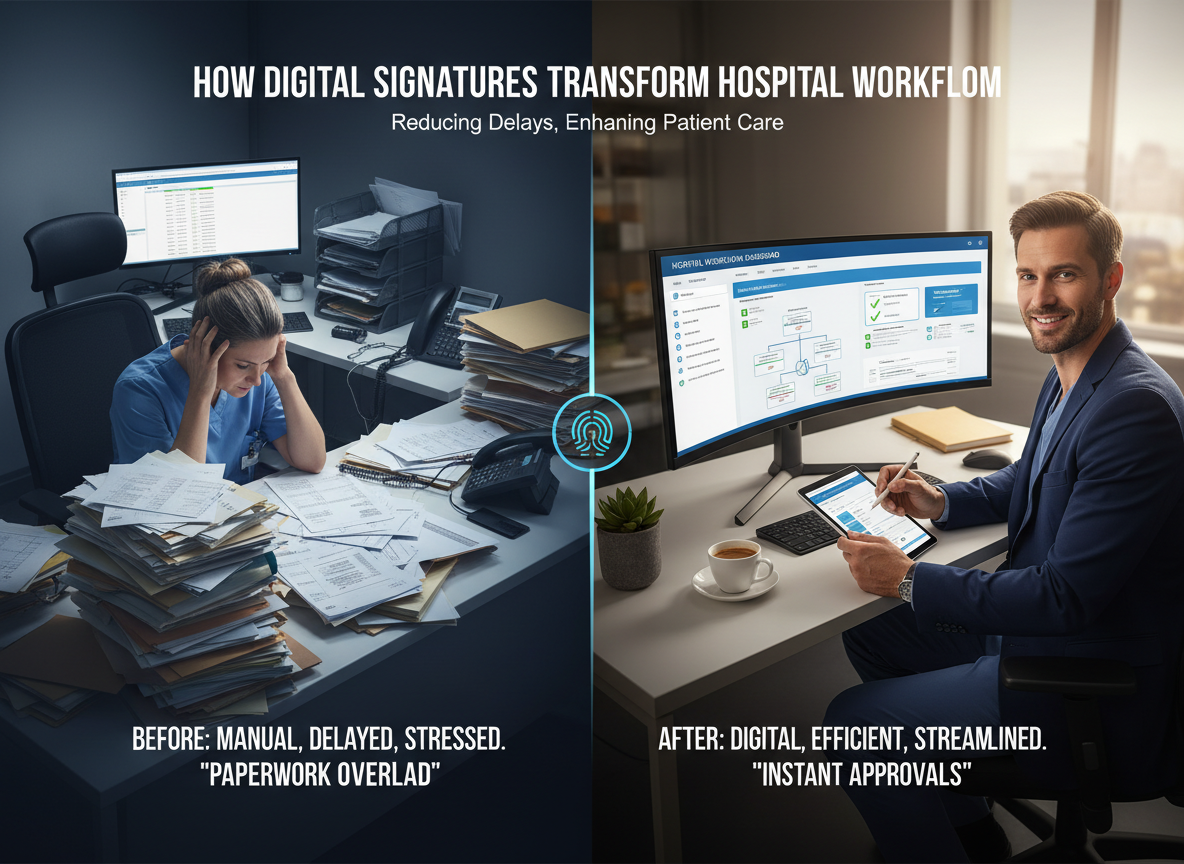
Digital signatures have emerged as a game-changer in the realm of healthcare compliance, offering a robust solution for secure and efficient document management. By transforming how medical practices and hospitals handle paperwork, digital signatures reduce administrative burdens and enhance operational efficiency.
One of the primary benefits of digital signatures is their ability to ensure document integrity and authenticity. Unlike traditional signatures, digital signatures provide a tamper-evident seal, offering a higher level of security. A study by Gartner highlights that digital signatures reduce the risk of document fraud by 60%, a critical factor in maintaining compliance.
Furthermore, digital signatures streamline the audit trail, simplifying the process of tracking document changes and approvals. This transparency is invaluable during compliance audits, where healthcare organizations must demonstrate adherence to regulatory standards. By integrating digital signatures, medical practices can significantly reduce the time and resources spent on compliance documentation.
In addition to providing security and audit capabilities, digital signatures enhance collaboration across departments and with external partners. By enabling real-time document signing and sharing, healthcare providers can expedite processes such as patient admissions, prescription authorizations, and insurance claims, leading to faster service delivery and improved patient satisfaction.
Moreover, digital signatures are pivotal in disaster recovery and business continuity planning. In the event of an emergency, having digital access to signed documents ensures that critical operations can continue without interruption, supporting resilient and responsive healthcare services.
Expert Insight: Dr. Emily Chen, a healthcare IT specialist, emphasizes the strategic importance of digital signatures in emergency preparedness. She notes that institutions with robust digital infrastructures are better equipped to manage crises, maintaining continuity of care even during unforeseen disruptions.

Implementing Digital Signatures: Best Practices for Healthcare Providers
Implementing digital signatures in healthcare requires a strategic approach that aligns with organizational goals and compliance requirements. The first step is selecting a digital signature solution that meets industry standards and integrates seamlessly with existing systems.
Healthcare providers should prioritize solutions that offer robust encryption and user authentication, ensuring the highest level of data security. According to a report by IDC, 82% of healthcare IT professionals consider security features the most critical factor when choosing a digital signature solution.
Training staff on the proper use of digital signatures is equally important. Comprehensive training programs should cover the legal implications of digital signatures, as well as practical guidance on their application in everyday workflows. By fostering a culture of compliance, healthcare organizations can maximize the benefits of digital signatures while minimizing potential risks.
Another key aspect of implementation is integrating digital signatures with existing electronic health records (EHR) systems. This integration ensures that digital signatures become part of the natural workflow, reducing manual processes and minimizing administrative overhead. Additionally, healthcare providers should regularly review and update their digital signature policies to reflect evolving regulatory requirements and technological advancements.
Providers should also consider scalability when selecting a digital signature solution. As healthcare organizations grow and evolve, their digital infrastructure must be able to adapt to increased demands and expanded services. Choosing a solution that allows for easy scalability ensures that digital signature capabilities can meet future needs without requiring significant overhauls.
Checklist for Digital Signature Implementation:
- Identify organizational needs and compliance requirements.
- Select a solution with robust security features.
- Ensure seamless integration with existing EHR systems.
- Conduct comprehensive staff training programs.
- Establish a regular review process for digital signature policies.
- Plan for scalability to accommodate future growth.

Case Studies: Success Stories from Leading Healthcare Institutions
Several healthcare institutions have successfully implemented digital signatures, setting benchmarks for others to follow. One notable example is the Mayo Clinic, which adopted digital signatures to streamline patient consent forms and administrative paperwork. This transition resulted in a 40% reduction in processing time and a significant decrease in paper-related costs.
Similarly, Cleveland Clinic integrated digital signatures into its telehealth services, enhancing the security and efficiency of virtual consultations. As reported by Modern Healthcare, the clinic saw a 30% increase in patient satisfaction, attributed to the simplified documentation process.
These case studies underscore the transformative potential of digital signatures in healthcare. By learning from these institutions, other medical practices and hospitals can adopt best practices and achieve similar success in their compliance and operational efforts.
Another example is Kaiser Permanente, which adopted digital signatures for its pharmacy operations. This shift reduced prescription processing times by 50%, allowing pharmacists to focus more on patient care rather than paperwork. The organization also reported enhanced compliance with regulatory requirements due to improved documentation accuracy and accessibility.
Johns Hopkins Hospital leveraged digital signatures to improve coordination between different departments. By digitizing inter-departmental communications and approvals, the hospital achieved operational efficiency gains, reducing delays in patient treatment plans and administrative tasks.
Pro Tip: When evaluating the success of digital signature implementation, consider not only the measurable outcomes, such as time and cost savings, but also the qualitative improvements, such as enhanced patient and staff satisfaction.
Addressing Common Challenges: Overcoming Barriers to Adoption
Despite the clear advantages, some healthcare providers face challenges in adopting digital signatures. Common obstacles include resistance to change, concerns about legal validity, and integration issues with existing systems.
To address resistance, healthcare leaders must emphasize the tangible benefits of digital signatures, such as cost savings, improved compliance, and enhanced patient experience. Engaging stakeholders through workshops and demonstrations can help build buy-in and facilitate smoother transitions.
Legal concerns are often rooted in misconceptions about the enforceability of digital signatures. It is crucial to educate staff and stakeholders on the legal frameworks governing digital signatures, including the Electronic Signatures in Global and National Commerce Act (E-SIGN Act) and the Uniform Electronic Transactions Act (UETA), which affirm their legality and enforceability.
Integration challenges can be mitigated by selecting digital signature solutions that offer robust APIs and interoperability with existing healthcare management systems. By addressing these common barriers, healthcare providers can fully leverage the benefits of digital signatures, ensuring compliance and operational efficiency.
Another challenge is the potential for technical glitches and system downtime. It is essential to choose a digital signature provider that offers reliable support and maintenance services. Additionally, having a backup plan in place for critical operations ensures that healthcare services remain uninterrupted in case of technical issues.
Furthermore, addressing concerns related to data privacy and security is vital. By implementing comprehensive security measures, such as multi-factor authentication and regular system audits, healthcare organizations can reassure stakeholders about the safety and integrity of digital signatures.
Expert Insight: John Miller, an IT consultant for healthcare providers, suggests regularly updating software and conducting security audits to maintain the effectiveness of digital signature systems. This proactive approach can prevent system vulnerabilities and ensure data protection.
Future Trends: The Evolving Role of Digital Signatures in Healthcare
As technology continues to evolve, the role of digital signatures in healthcare is poised for growth. Emerging trends such as blockchain integration, artificial intelligence, and biometric authentication are set to enhance the security and functionality of digital signatures.
Blockchain technology offers a decentralized and tamper-proof method of recording digital signatures, providing an additional layer of security. According to McKinsey, blockchain adoption in healthcare is expected to increase by 45% by 2026, driven by its potential to secure digital transactions.
Artificial intelligence can further streamline compliance by automating document verification and approval processes. AI-powered digital signature solutions can quickly identify discrepancies and ensure that all regulatory requirements are met before document finalization.
Biometric authentication, such as fingerprint or facial recognition, adds an extra layer of security, ensuring that digital signatures are unique and non-repudiable. As these technologies mature, healthcare providers can expect even greater efficiency and security in their compliance efforts.
Moreover, the integration of Internet of Things (IoT) devices with digital signatures is anticipated to transform patient monitoring and data collection. As IoT devices become more prevalent in healthcare, digital signatures will play a pivotal role in authenticating data and ensuring its integrity.
Another future trend is the personalization of digital signature workflows through machine learning. By analyzing user behavior and preferences, machine learning algorithms can optimize digital signature processes, making them more intuitive and user-friendly. This innovation is expected to further reduce administrative burdens and enhance user experience.
Pro Tip: Stay ahead of the curve by exploring partnerships with technology vendors offering advanced digital signature solutions. Early adoption of emerging technologies can position your organization as a leader in digital healthcare innovation.
FAQs: Addressing Common Questions About Digital Signatures in Healthcare
Q1: Are digital signatures legally binding in healthcare?
Yes, digital signatures are legally binding and recognized under laws such as the E-SIGN Act and UETA, which provide the legal framework for their enforceability.
Q2: How do digital signatures enhance patient privacy?
Digital signatures offer robust encryption and secure authentication, ensuring that patient information is protected and only accessible to authorized individuals.
Q3: What are the cost implications of implementing digital signatures in healthcare?
While there is an initial investment in digital signature solutions, the long-term cost savings from reduced paperwork, improved efficiency, and enhanced compliance outweigh the initial costs.
Q4: Can digital signatures be integrated with existing healthcare systems?
Yes, most digital signature solutions offer APIs and integration capabilities, allowing seamless integration with electronic health records (EHR) and other healthcare management systems.
Q5: What are the key considerations when choosing a digital signature solution for healthcare?
Key considerations include security features, compliance with industry standards, ease of use, integration capabilities, and vendor support.
Q6: How can digital signatures improve patient engagement?
By simplifying the process of signing and accessing documents, digital signatures enhance the patient experience, reducing wait times and improving satisfaction.
Q7: What role do digital signatures play in telemedicine?
In telemedicine, digital signatures are essential for verifying patient consent and ensuring the authenticity of treatment plans, thus enhancing the credibility and security of virtual consultations.
Conclusion: Embracing Digital Signatures for a Compliant Future
The integration of digital signatures in healthcare is not just a compliance measure but a strategic move towards greater efficiency and security. As medical practices and hospitals face mounting regulatory pressures, digital signatures offer a reliable solution to streamline processes, enhance patient experience, and reduce operational costs.
By adopting digital signature solutions, healthcare providers can position themselves at the forefront of industry innovation, ensuring compliance while reaping the benefits of digital transformation. As you embark on this journey, consider complementing your efforts with tools like Apparatuz for workflow automation and Schedly for appointment management, creating a comprehensive solution for your healthcare practice.
Ultimately, the future of healthcare compliance lies in the hands of those willing to embrace change and leverage technology. Digital signatures represent a critical step in this direction, offering a path towards a more efficient, secure, and compliant healthcare system. This transformation not only benefits healthcare providers but also enhances the overall patient journey, fostering trust and improving health outcomes.