
As we progress toward 2026, the digital signature landscape is rapidly evolving, reshaping how businesses operate on a global scale. Far from being a mere tool for convenience, digital signature technology has emerged as a critical component that drives business efficiency. The latest advancements in this domain have addressed significant pain points, enhanced security measures, and streamlined operations. This comprehensive guide delves into the seven most significant innovations in digital signature technology and their profound impact on business efficiency today.
1. AI-Powered Signature Verification
Artificial intelligence (AI) has made substantial strides in the realm of digital signature verification, adding an unprecedented layer of security and accuracy. Traditionally, verification methods relied heavily on static data, leaving them vulnerable to sophisticated fraud attempts. In contrast, AI leverages dynamic data and advanced machine learning algorithms to authenticate signatures with greater effectiveness.

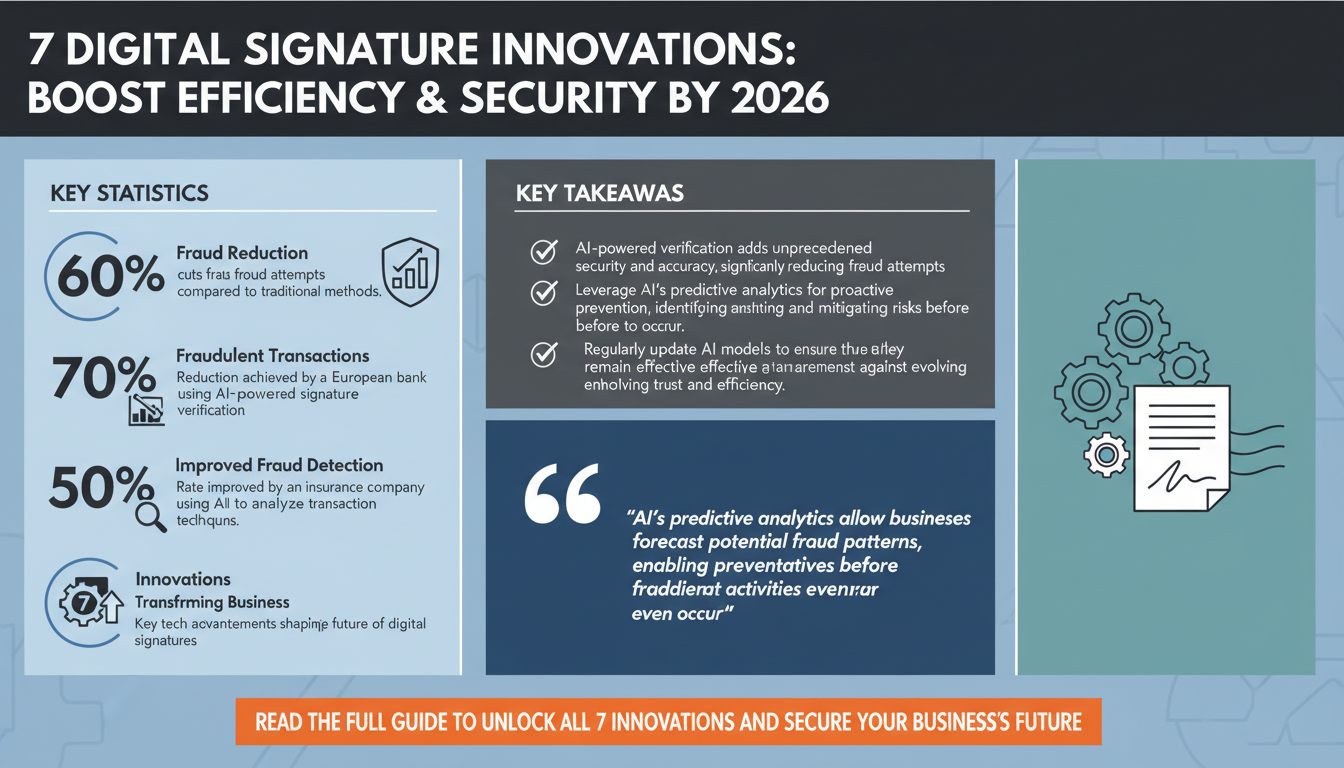
According to Forrester's research, AI-driven verification processes can reduce fraud attempts by up to 60% compared to traditional methods. This innovation not only enhances security but also instills confidence in digital transactions across various industries, from finance to healthcare.
AI-powered verification systems excel in their ability to analyze the unique patterns and pressure points of a signature. These systems learn from a vast database of verified signatures, enabling them to detect anomalies that human verifiers might overlook. This capability not only speeds up the verification process but also reduces the margin of error significantly. For instance, financial institutions have successfully implemented AI-based signature verification to expedite loan approval processes, thereby improving customer satisfaction and operational efficiency.
Case studies have shown that AI-driven solutions are particularly effective in identifying fraudulent activities in real-time, minimizing potential losses. For example, a leading European bank adopted AI-powered signature verification, which resulted in a 70% reduction in fraudulent transactions within the first year of implementation.
AI and the Future of Fraud Prevention
AI's role in fraud prevention extends beyond just signature verification. The predictive analytics capabilities of AI systems allow businesses to forecast potential fraud patterns by analyzing historical data and identifying irregularities. This proactive approach enables companies to implement preventative measures before fraudulent activities even occur.
For example, a major insurance company utilizes AI to analyze transaction patterns and identify anomalies indicative of fraudulent claims. By doing so, they have improved their fraud detection rates by 50%, saving millions in potential losses. This approach can be mirrored across various sectors, offering a robust defense against evolving fraud tactics.
Pro Tip: Regularly update AI models with new data to ensure they remain effective in detecting the latest fraud techniques. An outdated model can leave your system vulnerable to new threats.
2. Blockchain-Enabled Smart Contracts
Blockchain technology has made significant inroads into digital signatures, particularly through the integration of smart contracts. These self-executing contracts, with the terms of the agreement written into code, are revolutionizing how businesses manage contracts. Blockchain ensures that the records are immutable and transparent, fostering trust and accountability.

According to McKinsey's insights, the adoption of blockchain-enabled smart contracts can reduce transaction costs by up to 30% and significantly increase transaction speed by automating the verification and execution processes. This is particularly beneficial in industries requiring rapid and secure contractual agreements, such as real estate and finance.
Smart contracts ensure that once conditions are met, the contract automatically executes, minimizing the need for intermediaries and reducing the risk of human error. For instance, in the real estate industry, smart contracts can facilitate automatic transfer of property ownership once payment conditions are fulfilled, streamlining the overall process.
In the insurance sector, blockchain-enabled smart contracts have proven to enhance claim processing efficiency. By automating claim verification and settlement, insurers can reduce administrative overheads and improve customer satisfaction.
Real-World Applications of Smart Contracts
Real estate transactions are a prime example of the efficiency gains from smart contracts. Traditionally, these transactions involve multiple parties, extensive paperwork, and potential delays. Smart contracts automate and expedite this process by executing the transfer of ownership immediately upon fulfillment of the contract terms, such as payment confirmation.
Similarly, in supply chain management, smart contracts ensure timely and transparent transactions between suppliers and retailers. When goods are delivered and verified, payments are automatically released, reducing disputes and enhancing trust among parties involved.
Expert Insight: While smart contracts offer efficiency and security, they require precise coding to avoid errors in execution. Engage with experienced blockchain developers to ensure your contracts are robust and reliable.
3. Enhanced Biometric Security Features
Biometric security features have taken center stage in digital signature technology, offering unparalleled security measures. As cyber threats become more sophisticated, businesses are prioritizing the security of digital transactions by adopting biometric authentication methods.

Research by Gartner indicates that by 2026, 85% of digital signature solutions will incorporate biometric authentication, such as fingerprint recognition, facial recognition, and iris scans. These methods provide a unique and nearly foolproof method of verifying identity, significantly reducing the likelihood of unauthorized access.
Biometric authentication is crucial in sectors like healthcare and finance, where data security is paramount. For example, healthcare providers can use biometric signatures to ensure only authorized personnel access patient records, thus safeguarding sensitive information.
In the banking sector, biometric authentication enhances the security of mobile banking apps by requiring facial or fingerprint recognition for transaction approvals. This not only protects customers but also enhances the bank's reputation for security and reliability.
Implementing Biometric Security: Considerations and Challenges
While the benefits of biometric security are clear, implementing these systems requires careful planning. Organizations must consider factors such as user privacy, data storage, and potential biases in biometric technology. Ensuring that biometric data is safely encrypted and stored is crucial to maintaining user trust and compliance with data protection regulations.
Additionally, organizations should be aware of the ethical implications of biometric technology. Addressing concerns about biases—such as facial recognition systems that may have difficulty accurately identifying individuals of certain demographics—can help ensure fair and equitable use of the technology.
Pro Tip: Regular audits and updates of biometric systems are essential to maintaining their effectiveness and addressing any emerging biases or vulnerabilities.
4. Seamless Integration with Business Tools
In 2026, the ability of digital signature solutions to seamlessly integrate with existing business tools has become a critical factor in enhancing efficiency. Businesses are no longer content with standalone solutions; they demand platforms that can work harmoniously with their existing ecosystems.
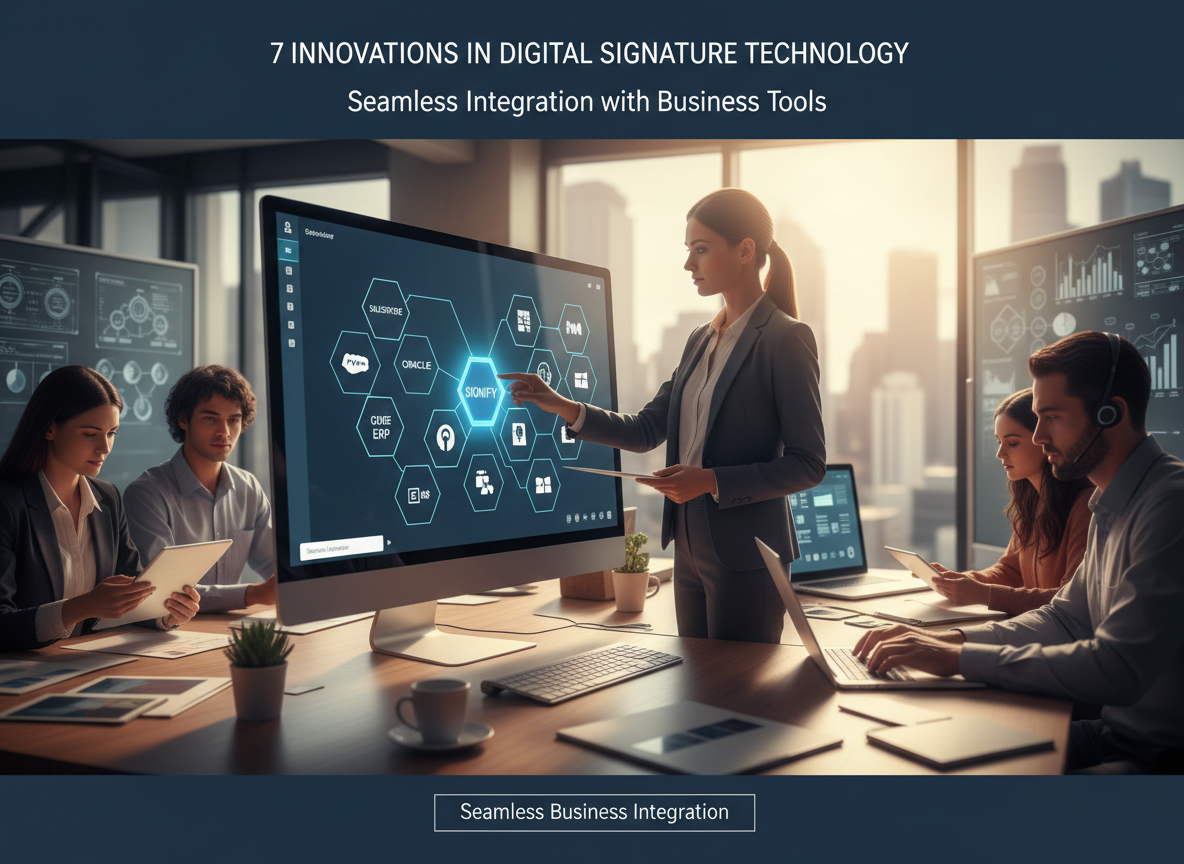
According to a report from Deloitte, companies that prioritize integration see a 40% increase in operational efficiency, as they eliminate redundancies and streamline workflows.
For example, integrating digital signature technology with CRM systems, project management tools, and cloud storage solutions allows for better data management and faster processing times. This integration ensures that all documents are readily accessible and actionable, reducing delays and boosting productivity.
Case studies highlight that businesses integrating digital signatures with their ERP systems have seen a reduction in document processing time by up to 50%. This integration not only improves operational efficiency but also enhances customer satisfaction by reducing waiting times for document approvals.
Maximizing Integration for Optimal Workflow
To truly benefit from integration, businesses should focus on creating a seamless digital ecosystem. This involves not only integrating digital signature tools with existing software but also ensuring that data flows smoothly between different platforms. For instance, an integrated system that connects digital signatures with project management software can automatically update project timelines based on signed agreements, reducing manual input and errors.
Furthermore, integration with business analytics tools can provide insights into document processing times and approval bottlenecks, allowing businesses to continuously refine their workflows for greater efficiency.
Expert Insight: Choose digital signature solutions with open APIs, which facilitate easy integration with a wide range of business applications, ensuring future scalability and flexibility.
5. Advanced Analytics and Reporting Capabilities
Another significant innovation in digital signature technology is the incorporation of advanced analytics and reporting capabilities. Businesses are leveraging data-driven insights to optimize their operations and make informed decisions.
According to IDC Insights, companies utilizing advanced analytics in digital signature platforms experience a 25% increase in decision-making speed and a 20% improvement in operational efficiency.
These capabilities allow businesses to track document workflows, identify bottlenecks, and ensure compliance with industry regulations. By analyzing signature data, organizations can gain insights into user behavior and optimize their processes accordingly.
One practical application of these analytics is in compliance auditing, where companies can generate detailed reports to demonstrate regulatory adherence. This not only mitigates risks but also builds trust with stakeholders and regulatory bodies.
Leveraging Data for Strategic Decision-Making
Advanced analytics not only enhance operational efficiency but also provide strategic insights that can drive business growth. By analyzing patterns in signature data, companies can identify trends, such as peak signing times or common delays in the approval process, and adjust their strategies accordingly.
For instance, a company may discover that a significant number of documents are signed during certain times of the day, prompting them to allocate more resources during these peak periods to improve response times. Additionally, understanding which documents are frequently rejected or delayed can help businesses refine their processes and improve customer satisfaction.
Pro Tip: Regularly review analytics reports to identify opportunities for process improvements and to stay ahead of compliance requirements.
6. Mobile-First Solutions
As mobile devices continue to dominate the business landscape, digital signature solutions have evolved to offer robust mobile-first experiences. This innovation caters to the growing demand for flexibility and accessibility in business operations.
According to Statista, mobile-first solutions are expected to account for 70% of all digital transactions by 2026, driven by the need for on-the-go accessibility and convenience.
Mobile-first digital signature platforms offer features such as touch-based signing, mobile document management, and real-time notifications, enabling professionals to manage their workflows from anywhere. This flexibility is particularly advantageous for remote teams and field-based industries.
In the legal sector, lawyers can use mobile-first solutions to review and sign documents on the go, ensuring they meet tight deadlines without being tethered to their desks.
Optimizing Mobile Solutions for Business Use
To fully capitalize on mobile-first solutions, businesses should ensure that their digital signature platforms are optimized for various devices and screen sizes. This ensures a consistent user experience regardless of the device being used. Features such as offline access and synchronization capabilities are also crucial for maintaining productivity in areas with limited connectivity.
Moreover, ensuring robust security measures, such as end-to-end encryption and two-factor authentication, is essential to protect sensitive data accessed via mobile devices.
Expert Insight: Encourage employees to regularly update their mobile apps to the latest versions to benefit from improved security features and enhanced user experiences.
7. Eco-Friendly and Sustainable Practices
In 2026, sustainability has become a core value for many businesses, and digital signature technology is playing a crucial role in supporting eco-friendly initiatives. By reducing the reliance on paper-based processes, digital signatures contribute to significant environmental benefits.
A study by GreenBiz found that organizations that transition to digital signatures can decrease their carbon footprint by up to 50%, a compelling statistic for companies committed to sustainability.
Incorporating digital signatures into business operations not only reduces paper waste but also decreases energy consumption associated with printing and mailing documents. This shift towards digital processes aligns with global efforts to combat climate change and promote sustainable business practices.
Companies that have adopted digital signatures report not only environmental benefits but also significant cost savings in terms of reduced paper, ink, and mailing expenses.
Implementing Sustainable Practices in Business
Beyond adopting digital signatures, businesses can further their sustainability efforts by integrating other eco-friendly practices. This includes implementing energy-efficient technologies, encouraging remote work to reduce commuting emissions, and utilizing cloud-based services to minimize physical infrastructure needs.
Additionally, companies can engage in initiatives such as recycling programs and the use of sustainable materials in their products and packaging, further enhancing their commitment to environmental responsibility.
Pro Tip: Communicate your sustainability initiatives to stakeholders and customers to build goodwill and reinforce your brand's commitment to environmental stewardship.
Conclusion: Embracing the Future of Digital Signatures
The innovations in digital signature technology in 2026 are paving the way for a more efficient, secure, and sustainable business environment. By embracing these advancements, organizations can streamline their operations, enhance security, and contribute to environmental sustainability. As businesses continue to evolve, leveraging cutting-edge digital signature solutions will be critical in maintaining a competitive edge.
For those seeking to amplify these benefits, consider integrating digital signature solutions with platforms like Apparatuz for workflow automation and Zatisfied for customer feedback management. Together, these tools create a comprehensive solution for driving business efficiency and innovation.
FAQs
What are the benefits of AI in digital signatures?
AI enhances the security and accuracy of digital signatures by using machine learning algorithms to detect anomalies and prevent fraud. These systems continuously learn and adapt, making them highly effective at identifying fraudulent activities that may be missed by traditional methods.
How do smart contracts work with digital signatures?
Smart contracts automate the execution of agreements, reducing the need for intermediaries and minimizing human error. This automation ensures that once the predefined conditions are met, the contracts execute themselves, leading to faster and more reliable transactions.
Are mobile-first digital signature solutions secure?
Yes, they incorporate robust security features such as biometric authentication and encryption to ensure data protection. These solutions are designed to provide secure and convenient access to digital signature capabilities on mobile devices, safeguarding sensitive information.
How do digital signatures contribute to sustainability?
By eliminating paper-based processes, digital signatures significantly reduce carbon footprints and contribute to eco-friendly business practices. This shift not only supports environmental conservation efforts but also leads to cost savings for businesses through reduced resource consumption.